A Complete Guide to the Types of 3P Warehousing Services in Sydney
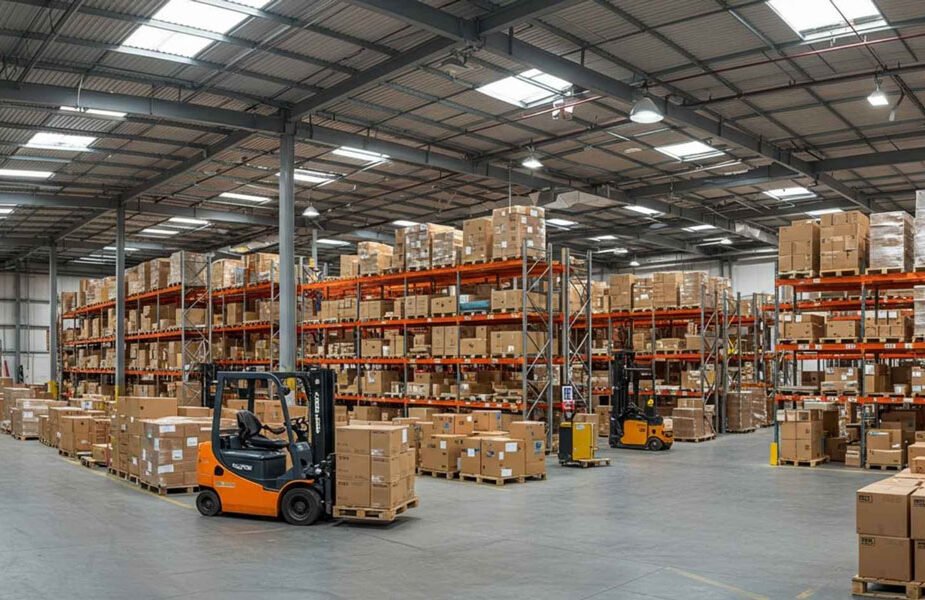
Warehousing choices can shape how goods move, are stored, and reach end users. Many organisations seek clear options that match supply needs without excess cost. This guide outlines key service types and practical use cases.
Public Warehousing Services
Public warehouses offer shared storage space that suits short or medium-term needs. In this setup, 3PL Sydney often appears as a flexible option for firms that prefer variable costs. These facilities help with storage during demand spikes or seasonal stock flow. They may help improve cash control since space use aligns with actual volume.
Another benefit lies in location access across Sydney for wider reach. Operators manage site upkeep, safety checks, and stock handling systems. This model aids firms that test new markets or manage limited capital. Contracts tend to stay simple, which suits changing supply plans.
Contract Warehousing Services
Contract warehousing relies on long-term agreements with set service terms. Facilities match defined volume levels and process needs for stable operations. This option supports predictable demand and routine stock cycles. It may help improve planning accuracy across supply chains.
Key Contract Features
These services often include agreed service levels and fixed pricing. They support consistent workflows and staff training. Key elements may include:
- Dedicated storage zones
- Standard order processes
- Regular stock reports
Such features aid coordination between storage and transport teams. They also reduce variation in daily operations across Sydney.
Dedicated Warehousing Services
Dedicated warehouses serve one client only, with space and systems reserved. This structure helps with control over layout and stock flow. It suits goods that need specific handling or secure access. Cost levels tend to reflect exclusive use.
These facilities often support high volume turnover in Sydney. They allow process changes without shared site limits. Inventory accuracy may improve due to focused staff roles. Long-term use usually brings stable service quality.
Bonded Warehousing Services
Bonded warehouses store imported goods before duty payment. This option aids cash flow by delaying tax outlay. Goods remain under customs control until release. It supports firms that manage international supply routes. This setup helps plan stock release based on sales schedules.
In Sydney, bonded sites help manage port-related delays. They allow bulk imports to wait for market timing. Stock stays secure and traceable within regulations. This service suits trade-focused sectors with import cycles. It also assists with compliance checks before goods enter local distribution.
Fulfilment Based Warehousing Services
Fulfilment warehouses combine storage with order processing. They support pick, pack, and dispatch tasks from one site. This setup may help improve delivery speed and order accuracy. It suits online and retail trade.
These services support varied order sizes across Sydney regions. Systems track stock movement in real time. Staff handle returns and restock tasks. This approach aids smooth order flow during demand peaks.
Value Added Warehousing Services
Value-added services include labelling, kitting, and light assembly work. This helps adapt goods for local sales needs. It reduces extra handling steps later. These tasks support smoother transitions from storage to delivery.
Such services support brands that need a quick market response in Sydney. They allow changes without separate sites. Packaging updates can occur close to dispatch. This aids efficiency across supply lines. It also helps manage product variations within a single location.
Choosing the right warehousing type depends on stock flow, volume, and service needs. For many, 3PL in Sydney helps match storage style with supply goals. Each option supports different operational aims across Sydney markets. Careful review of these types supports steady logistics outcomes.
Last modified: March 19, 2026