How Appetite Control and Energy Balance Affect Weight Loss Progress
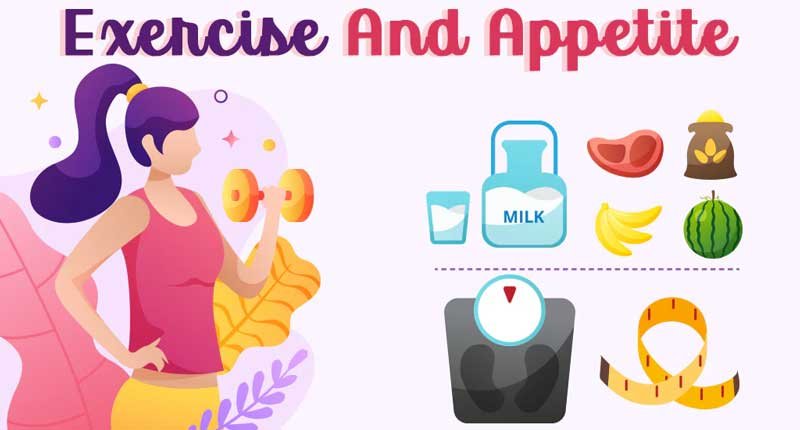
Many people start their weight loss journey feeling hopeful, only to hit a wall a few weeks in. The scale stays the same, and frustration sets in. It’s a common story, one that leaves people wondering about what needs to change.
Appetite control and energy balance play huge roles in making progress stick. These are not just terms but key factors that determine consistency and progress. Understanding them helps turn effort into measurable results.
For those seeking guidance, options like a Mounjaro clinic in Singapore offer personalized plans that tackle these elements head on. Rephrased, it’s about finding specialized weight management centers there that make the process smoother.
Understanding Appetite Control in Weight Loss
Appetite often feels like an unruly guest at the weight loss table. It shows up uninvited, urging seconds or late night snacks. People struggle because hunger signals can override even the best intentions.
When appetite runs high, sticking to a calorie deficit becomes tough. Many people struggle to stay consistent, which slows progress. Gentle strategies make a difference here.
The Role of Hormones in Curbing Hunger
Hormones like ghrelin and leptin act as the body’s appetite thermostat. Ghrelin ramps up hunger before meals, while leptin signals fullness. Stress and poor sleep can disrupt this balance.
People who ignore this end up overeating without realizing it. Simple tweaks, such as eating fiber rich foods, help stabilize these signals. It creates a calmer relationship with food.
Over time, balanced hormones reduce cravings and support steady eating patterns, which contributes to consistent weight loss.
Building Habits to Tame Cravings
Cravings hit everyone, often triggered by emotions or habits. Someone might reach for sweets after a long day, not true hunger. Recognizing patterns is the first step.
Short walks or herbal tea can interrupt the cycle. These small actions build resilience without feeling restrictive. They empower people to choose mindfully.
Consistency turns these habits into second nature. Weight loss feels less like a battle and more like a natural flow.
Emotional Eating and Its Impact
Emotional eating often happens during difficult moments. Stress, sadness or boredom can lead people to reach for comfort food. It is something many people experience quietly.
Addressing the root cause, like journaling feelings, reduces reliance on food. When paired with better appetite control, it prevents setbacks. Progress becomes more reliable. People who master this report clearer minds and lighter bodies. It’s a quiet victory worth pursuing.
Mastering Energy Balance for Lasting Results
Energy balance is the equation of calories in versus calories out. It sounds basic, but getting it right drives weight loss. Too much in, and the body stores excess; too little out, and nothing changes.
Third person accounts show that most people underestimate this dynamic. Daily choices add up, shaping the outcome. Awareness brings control.
Calculating Your Daily Energy Needs
Everyone’s energy needs differ based on age, activity, and metabolism. A desk worker burns fewer calories than an athlete. Tools like basal metabolic rate calculators provide a starting point.
People often aim too low, leading to fatigue and rebound eating. Finding the sweet spot sustains energy. It fuels movement without exhaustion. Tracking intake loosely helps people adjust without obsession. This precision supports gradual, healthy loss.
Boosting Expenditure Through Movement
Movement is not about grueling workouts. It is daily activity that counts. Walking meetings or standing desks nudge the balance. People feel energized, not drained.
Even short bursts, like stair climbs, add up. They naturally create a deficit. Over weeks, the body adapts, burning more efficiently. This approach fits busy lives. It turns routine into progress, keeping motivation high.
The Pitfalls of Extreme Deficits
Going too hard on restriction backfires. Metabolism slows, and hunger surges. Many people experience weight cycling as a result, frustrated by stalled scales.
Sustainable deficits, around 500 calories daily, yield one to two pounds lost per week. They are steady, not flashy. People maintain them long term. Patience here pays off. Energy balance thrives on balance, not extremes.
Bringing It All Together
Appetite control quiets the internal noise, while energy balance directs the calories. Together, they form a powerful duo for weight loss. People who align these see the scale move and clothes fit better.
Real progress comes from small, consistent steps. Hormones settle, habits form, and energy flows properly. It’s not magic. It’s science meeting daily life.
If weight loss feels stuck, reflecting on these areas helps. A thoughtful chat with experts at a specialized clinic can clarify next moves. Gentle action today builds the body you want tomorrow.
Last modified: June 17, 2026