5 Critical Safety Considerations for Off-Grid Travel and Remote Camping
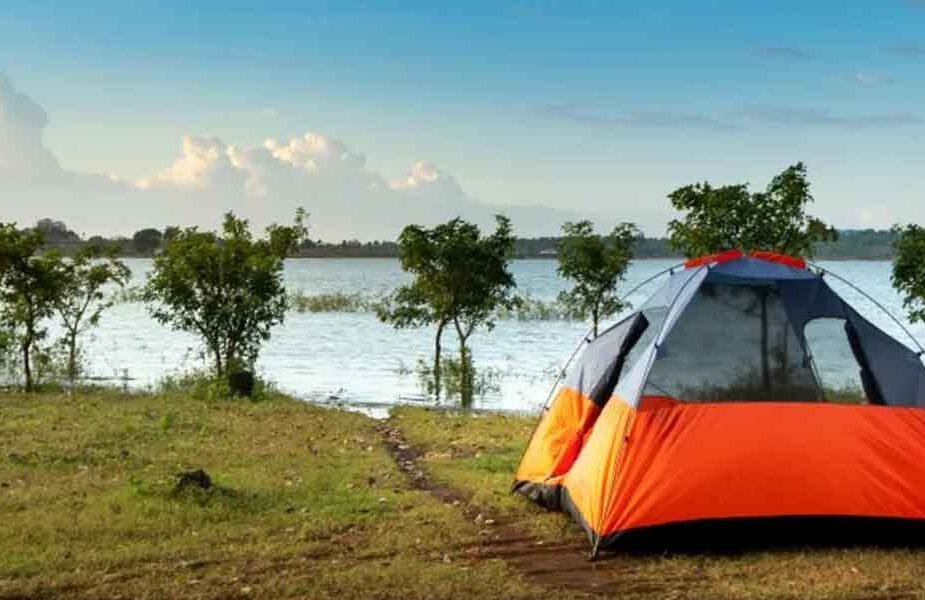
Traveling off the grid tests your preparation more than weekend car camping ever will. If something goes wrong at a trailhead just two miles from a parking lot, you walk out. If it goes wrong at mile-18 with no cell signal, you and your gear make it home.
Navigation Redundancy Isn’t Optional
Going off-trail and not having the right gear continue to be the main reasons behind search and rescue operations, representing over 40% of all SAR missions (National Park Service). That percentage remains steady because many folks keep assuming their cell phone will double as a GPS, until it doesn’t.
The redundancy rule means carrying a topographic map and knowing how to use it, in addition to your GPS unit. Not a crumpled backup you’ve never unfolded. Gear you’ve practiced with. A GPS with dead batteries and a map you can’t decipher both equal zero. Set your waypoints and note your routes on both systems before heading out, and also memorize your landmarks, trail junctions and exit alternatives.
Lighting and Night-Time Situational Awareness
This is often the point of failure in the “just use your smartphone” argument. A phone light can work as a backup or for occasional use in benign conditions but making it your primary light source is just asking for trouble. Phone battery = lifeline, and night draining it when you need to relocate camp or keep watch is bad risk management.
Standard smartphone lights emit somewhere between 15 and 30 lumens. That’s adequate for finding your keys. It is not adequate for identifying eye-shine at 40 feet, scanning a campsite perimeter, or reading terrain features when you need to relocate your tent at 2 AM. High-lumen density and beam throw are what separate a convenience tool from a safety tool. The brightest flashlights designed for outdoor use can output hundreds to thousands of lumens with focused throw distances that give you actual reaction time when you see something moving.
That same light output matters for emergency signaling. A high-lumen beam can be seen for significant distances and used in SOS patterns to alert search aircraft or distant trail users. A whistle weighs nothing and should always be on your person, not in your pack, but visible signaling at night requires real light output.
Your Trip Plan is a Safety Device
Before you go, somebody who is not going with you must have your exact destination coordinates, your intended route, your campsite selection for each night, and a hard return time, the point after which they call emergency services. Not “sometime Sunday,” but “if I haven’t contacted you by 6 PM Sunday, call SAR.”
This is sometimes called a float plan. It costs nothing and dramatically improves the speed of a rescue response if one becomes necessary. SAR teams operate faster when they know where to start looking. Without a trip plan, they’re searching an area. With one, they’re searching a corridor.
Water treatment requires more than one method
Remote lakes and streams may appear clean and cool, but they often are contaminated with things that you can’t see but that can make you ill, and they’re not safe to drink from unfiltered or untreated. A multi-stage approach to water treatment is ideal in areas where human impact is significant, such as popular trailheads with high camping traffic.
Keep your water filter to strain out sediment and protozoa and use tabs, a Sweetwater Purifier Solution, a UV light or liquid treatment to kill off viruses, the little things that your filter can’t catch. This system allows rapid flow for backup treatment of water that was run through a dirty pre-filter to save your main unit. UV or liquid treatment gives you the second bite at the apple without adding equipment weight.
Wildlife Safety is About Distance and Awareness
We all know that bear canisters and proper food storage are essential for outdoor trips. But what often goes unnoticed is the importance of having a light source that can double as a wildlife deterrent during the setup window, that first hour at camp when you’re moving around, making noise, and not paying close attention to the treeline.
If you’re in predator-heavy habitat, you want enough light to identify movement and eye-shine at distance before an animal closes ground. And remember, that’s not about aggression toward wildlife, it’s about having enough warning to react calmly rather than suddenly. Bear spray is only effective if you see the encounter coming. A high-output light that can be used to scan your campsite perimeter during setup and before midnight trips to the tent zipper should be seen as part of a sensible wildlife protocol, not an overcaution.
Carry a personal locator beacon if you’re traveling in areas with known predator activity or in conditions where injury would preclude self-rescue. A PLB doesn’t require cell service and connects directly to satellite rescue networks. It’s a last resort, but in remote terrain, last resorts need to actually work.
Pack Like the Environment Won’t Cooperate
When you leave the grid, you assume that something will go sideways on at least one variable. The weather, equipment, navigation, injury, something will come to check your camp. The equipment that stands up to one test and collapses in another isn’t what you want between trailheads. Redundancy, quality, and familiarity with what you carry will count more than how much you shave ounces off your load when you’re well and truly out there.
Last modified: April 21, 2026