What Are the Signs Your Jeep Suspension Needs an Upgrade or Replacement?
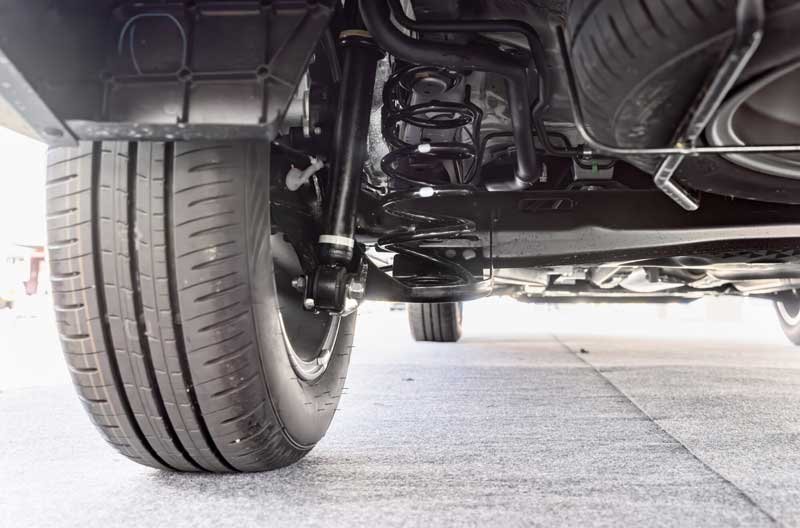
Your Jeep’s suspension system plays a critical role in handling, ride comfort, tire wear, and overall safety. Whether you use your Jeep as a daily driver, a weekend trail rig, or a fully built off-road machine, suspension components take constant stress from potholes, uneven terrain, and heavy loads. Over time, springs, shocks, bushings, and control arms wear down—sometimes gradually, sometimes suddenly.
Recognizing the early warning signs can prevent more expensive repairs and keep your Jeep performing the way it should. If you’ve been considering an upgrade to a new jeep suspension, here are some key indicators that it may be time to replace or improve your current setup.
Uneven or Premature Tire Wear
One of the most common and noticeable signs of suspension problems is uneven tire wear. Your tires are often the first place where suspension issues reveal themselves. If you notice excessive wear on the inside or outside edges of your tread, it could point to worn components affecting alignment and stability.
Suspension parts like control arm bushings, ball joints, and shocks help keep your tires properly aligned with the road. When these parts begin to fail, the wheel angle can shift slightly, causing uneven contact with the pavement. Over time, that small misalignment accelerates tire wear.
Drivers running larger tire setups—such as 33in tires—may notice these issues even sooner. Larger tires add weight and put additional strain on suspension and steering components. If your Jeep feels slightly unstable or if you notice cupping patterns across the tread blocks, worn shocks or springs may be to blame.
You may also experience vibration at highway speeds. While tire balancing issues can cause vibration, worn suspension components often amplify the problem. If balancing doesn’t solve it, a closer inspection of your suspension system is warranted.
Ignoring uneven wear can shorten tire lifespan significantly. Replacing suspension components early not only restores ride quality but also protects your investment in new tires.
Sagging Ride Height
Another clear indicator that your Jeep suspension may need attention is sagging ride height. Over time, coil springs and leaf springs lose tension. This can result in a lower stance than factory specifications, particularly at one corner or along the rear axle.
Sagging is especially noticeable when your Jeep appears uneven from side to side. It may also become apparent when towing or carrying additional cargo, as the suspension struggles to maintain proper height under load.
A sagging suspension affects more than appearance. It can reduce ground clearance, alter steering geometry, and impact braking performance. Approach and departure angles decrease, which limits off-road capability.
Drivers who frequently run larger or heavier jeep tires may experience sagging sooner. Added rotational mass increases strain on springs and shocks, accelerating wear.
If your Jeep feels lower than it used to, or if it bottoms out more easily over bumps, worn springs may be the culprit. Upgrading to a refreshed suspension system can restore ride height and improve load-handling performance.
Rough Ride and Poor Handling
Suspension components are designed to absorb road imperfections and maintain consistent tire contact with the ground. When shocks or struts begin to fail, ride quality often becomes noticeably rougher.
You may feel excessive bouncing after hitting a bump, or your Jeep may nose-dive during braking. Worn shocks lose their ability to control rebound effectively, which affects stability and comfort.
Steering response can also suffer. If your Jeep feels loose, wanders at highway speeds, or requires constant correction, suspension wear may be contributing to the issue. Combined with larger tires or lifted setups, weak components can create unpredictable handling.
Off-road drivers may notice increased body roll when navigating uneven terrain. Suspension articulation may feel limited, and traction can suffer when components no longer respond as designed.
Upgrading worn shocks, bushings, and control arms restores both comfort and control. For many Jeep owners, replacing tired suspension parts dramatically improves driving confidence.
Clunking or Unusual Noises
Unusual noises are another red flag. Clunking sounds when going over bumps or turning at low speeds often indicate worn bushings, loose bolts, or failing ball joints.
While some suspension noises may be minor at first, they tend to worsen over time. Ignoring them can lead to additional wear on related components.
Regular inspection of mounting hardware and suspension joints helps catch issues early. If you hear persistent clunks or creaks, it’s best to address them before they escalate into more significant mechanical problems.
When to Upgrade Instead of Replace
Sometimes replacing worn parts with factory components isn’t the best long-term solution—especially if your Jeep has evolved beyond stock configuration. If you’ve added larger tires, armor, bumpers, or recovery gear, upgrading to heavier-duty suspension components may provide better long-term durability. For serious off-road enthusiasts, installing suspension lifts can dramatically improve ground clearance and articulation, allowing your Jeep to tackle more challenging terrain with confidence.
An upgraded suspension can improve articulation, restore proper geometry, and support additional weight from modifications. Instead of simply replacing worn parts, many Jeep owners choose to enhance capability while addressing wear at the same time.
Conclusion
Your Jeep’s suspension is essential to safety, comfort, and off-road performance. Uneven tire wear, sagging ride height, rough handling, and unusual noises are all warning signs that it may be time for an upgrade or replacement.
Addressing suspension issues early prevents accelerated tire wear, protects steering components, and restores proper ride quality. Whether you’re maintaining a daily driver or building a trail-ready rig, keeping your suspension system in peak condition ensures your Jeep performs confidently wherever you drive.
Regular inspections and timely upgrades not only improve handling—they extend the life of your entire vehicle.
Last modified: March 17, 2026