The Role of Nutrition in Enhancing Recovery After Cosmetic Surgery
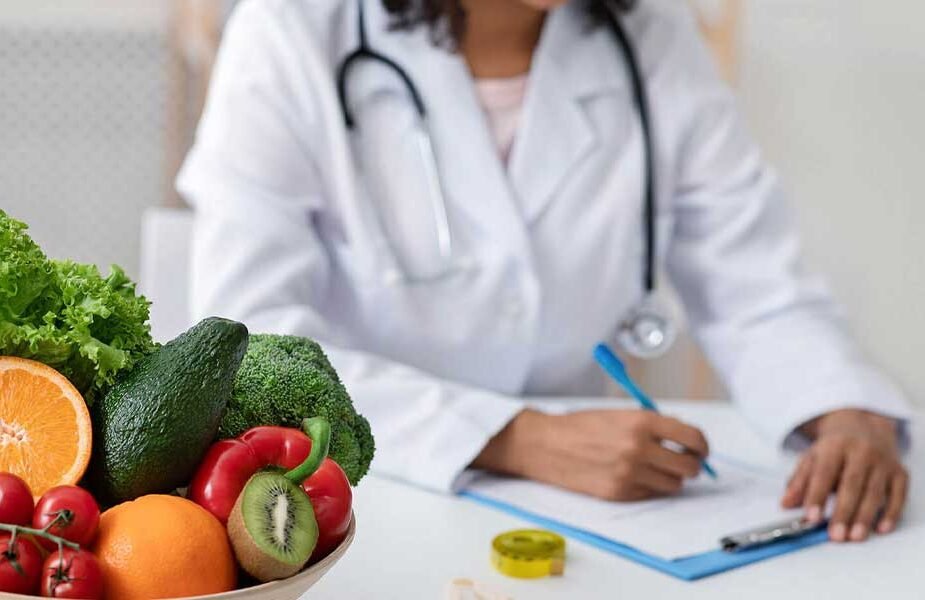
A balanced diet supports the body’s natural ability to repair and regenerate tissue following a cosmetic procedure. Nutritional foods, such as chicken and spinach, provide proteins and vitamins that help repair cells and support the immune system. Here are some of the roles of nutrition in enhancing recovery after cosmetic surgery:
Damaged Tissue Repair
Nutrient-dense foods provide the building blocks needed for damaged tissue repair following a surgical procedure. The body initiates its natural healing response, while protein-rich options supply the amino acids required to rebuild structures. These proteins facilitate the creation of new collagen, helping restore the skin’s strength and stability. A balanced intake of vitamins and minerals accelerates the restoration of affected areas. Leafy greens contain micronutrients that assist in cellular reconstruction, while fruits like berries offer support for internal recovery. Focusing on these items allows the body to more efficiently synthesize the materials needed to bridge gaps in the tissue. Complex carbohydrates like lentils provide the consistent energy needed to fuel these metabolic repair processes.
Digestive System Regulation
Proper nutrition helps regulate the digestive system during the post-operative healing phase. Following cosmetic surgery, the body may experience shifts in its normal rhythm. Fiber-rich foods like beans and berries help maintain consistent gastrointestinal function. A consistent intake of probiotics through foods like yogurt supports a balanced digestive environment. While the body focuses its energy on healing external incisions, maintaining a healthy gut flora promotes efficient nutrient processing.
Hydration supports digestive system regulation by assisting fiber in its movement through the body. Anesthesia and certain medications can cause the system to become sluggish. Staying well-hydrated helps prevent the discomfort associated with a slow digestive rhythm. A consistent supply of fluids, including water, herbal tea, and nutritious soups, helps the body process softer foods. Drinking plenty of water supports the body’s natural detoxification processes by flushing out residual medications and waste products. Physical recovery focuses on external healing while internal regulation promotes a patient’s comfort and energy levels.
Immune System Support
A strong nutritional foundation shields the body by providing the resources needed for immune system support. Consuming nutrient-dense foods helps the body stay resilient against external stresses while focusing its energy on healing surgical sites. The following nutritional elements help strengthen the body’s defenses:
- Vitamin-rich fruits
- Fresh vegetables
- Lean protein sources
- Mineral-dense grains
- Fiber-rich legumes
Vitamin-rich fruits and fresh vegetables offer antioxidants that protect the body’s cellular integrity. The immune system focuses on the surgical site, while these nutrients help neutralize environmental stressors that could hinder progress. Lean protein sources, including turkey, support the production of antibodies that identify and neutralize threats. Proteins are associated with structural repair and support the production of white blood cells that fight infection. Mineral-dense grains, like brown rice, and fiber-rich legumes provide the energy needed to sustain a prolonged immune response.
Physical Inflammation Reduction
Nutritional choices support physical inflammation reduction by helping the body manage natural swelling. Incorporating fresh fruits and vegetables provides antioxidants that help calm the body’s internal response to surgical trauma. While some inflammation is normal during healing, a diet rich in plant-based foods keeps the reaction within a manageable range. High levels of salt may cause the body to hold onto excess water. Lowering sodium intake controls the fluid retention that accompanies physical inflammation. Hydration supports inflammation reduction by facilitating the movement of fluids through the circulatory system.
Muscle Mass Preservation
Adequate protein consumption promotes muscle mass preservation while the body recovers from surgery. The procedure places the body in a temporary repair state; it may break down muscle tissue to produce healing energy. Lean proteins provide an external source of amino acids that protects muscles from being used as fuel. Incorporating complex carbohydrates alongside these proteins provides the body with enough energy to power its restorative functions. Legumes provide glucose, allowing the body to focus its protein stores on maintaining strength and tone throughout the healing phase. If a patient maintains this balanced intake, they avoid fatigue that occurs when the body lacks caloric support.
Learn More About Cosmetic Surgery
Vitamins and minerals from fresh produce enable the skin to regenerate and remain strong. Consistent hydration keeps the skin supple and moist during healing, allowing it to stretch and settle without irritation. Contact a reputable plastic surgery practice to learn more about their services.
Last modified: February 26, 2026