We’re Chasing Clean Energy While Letting Heat Go to Waste
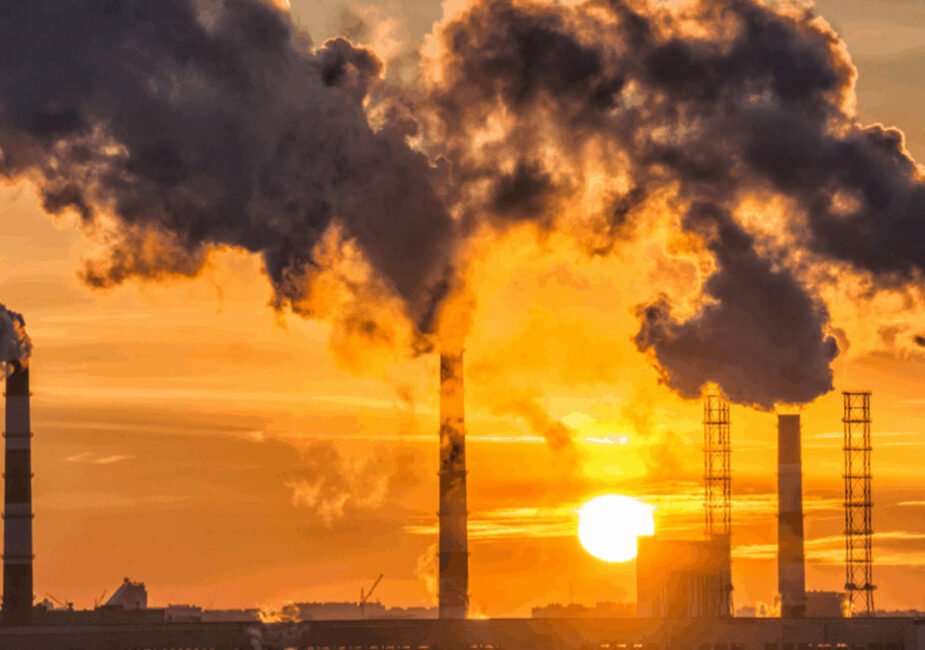
When people think about energy, they usually picture electricity flowing from outlets or renewable sources feeding the grid. In reality, a large share of global energy demand is thermal, used for heating buildings, powering industrial processes, and producing materials.
This heat often comes from combustion or other high-temperature processes and is frequently overlooked in sustainability discussions. Ignoring heat leads to incomplete solutions.
Even the cleanest electricity system cannot deliver meaningful environmental gains if heat is wasted, inefficiently distributed, or generated repeatedly for the same task. Sustainability therefore depends on managing heat as carefully as electricity.
Efficiency Determines Environmental Impact
The environmental cost of energy is shaped not only by its source, but by how much useful output we extract from it. When heat is used inefficiently, more fuel or energy input is required to achieve the same result, increasing emissions and resource use. Improving efficiency reduces impact immediately, without waiting for new technologies.
Systems designed to operate at higher temperatures and pressures are able to convert more heat into useful work. Over time, these gains accumulate, lowering total emissions and reducing the strain on energy supply chains. Efficiency acts quietly, but its effect is long-lasting.
Waste Heat Is a Missed Opportunity
Large amounts of heat are released into the environment during industrial production, power generation, and urban activities. This heat is often hot enough to be reused, yet it is commonly discharged because recovery systems are not prioritized.
As many as 50% of industrial energy input is lost as waste heat before useful work is done. This includes heat lost in exhaust gases, cooling water, and through hot surfaces. From a sustainability perspective, this represents lost value rather than unavoidable loss.
Recovering and reusing waste heat reduces the need for additional energy input. By turning excess heat into power or usable thermal energy, systems can lower fuel consumption and emissions while improving overall productivity. Treating waste heat as a resource is central to circular energy thinking.
Efficiency Is the Result of Many Small Decisions
Efficient heat use does not depend on a single technology or component. It emerges from a series of design and operational decisions that shape how heat is generated, transferred, controlled, and reused. Each decision may seem minor in isolation, but together they determine how much energy is ultimately wasted or preserved.
These choices include operating pressure and temperature, insulation quality, pipe layout, control strategies, maintenance practices, and component selection. Valve choice is a clear example of how such decisions translate into real energy outcomes, particularly when choosing quality gate valves or globe valves in steam systems.
Valves regulate how steam moves through a system, influencing pressure losses, temperature stability, and overall performance. Selecting the appropriate valve design is therefore an efficiency decision rather than a matter of preference.
No option is inherently better or worse. Using each valve where it fits best reduces waste, protects equipment, and supports long-term system efficiency.
Heat Can Serve More Than One Purpose
In many systems, heat is produced solely to generate electricity, after which it is discarded. In more integrated designs, the same heat can be used multiple times, first for power and then for heating buildings or industrial processes. This approach dramatically increases the total amount of useful energy extracted from a single input.
Using heat sequentially aligns energy supply with real-world demand. Homes, factories, and cities require heat as much as electricity, and systems that deliver both reduce the need for separate energy infrastructures. This integration lowers environmental impact while improving reliability.
Infrastructure Longevity Supports Sustainability
Building new energy infrastructure carries an environmental cost through material extraction, manufacturing, and construction. Systems that last longer reduce this cost by spreading it over decades of service. Longevity therefore becomes an environmental advantage, not just an economic one.
Process heating comprises about 51% of total industrial energy use in U.S. manufacturing, underscoring how central heat is to production and how important efficiency is.
Heat-management systems are often designed for long operational lifetimes and can be adapted to changing energy sources. This flexibility allows societies to reduce emissions gradually while continuing to use existing assets, avoiding unnecessary waste and disruption.
Water and Heat Must Be Managed Together
Heat-based systems often rely on water, which introduces environmental responsibility alongside energy efficiency. Poorly managed water use can undermine sustainability goals, particularly in regions facing water scarcity. This makes careful design and operation essential.
Modern approaches focus on minimizing losses, recovering water wherever possible, and balancing thermal performance with local environmental conditions. When heat and water are managed together, systems can deliver reliable energy services without excessive ecological pressure.
Design Choices Shape Environmental Impact Over Time
The environmental impact of heat systems is not determined only at the moment they begin operating. It is shaped continuously by how well design choices hold up over years and decades of use. Decisions about materials, layout, control margins, and accessibility, which are made early, affect how efficiently a system can be maintained, adjusted, and improved.
Well-designed systems tolerate change without excessive loss or degradation. They allow components to be repaired or upgraded, operating conditions to be refined, and inefficiencies to be corrected. This adaptability reduces the need for premature replacement and lowers the cumulative environmental cost of providing heat over long periods.
Rethinking Sustainability Through Heat Use
Sustainability is often framed as a race toward new technologies, but meaningful progress also comes from improving how existing systems operate. Heat is one of the most widely used and most frequently wasted forms of energy, making it a critical focus for environmental improvement.
By prioritizing efficient heat use, waste recovery, and long-term infrastructure, sustainability becomes more practical and resilient. Managing heat well does not rely on hype or novelty, but on careful engineering and thoughtful system design that deliver lasting environmental benefits.
Last modified: February 20, 2026