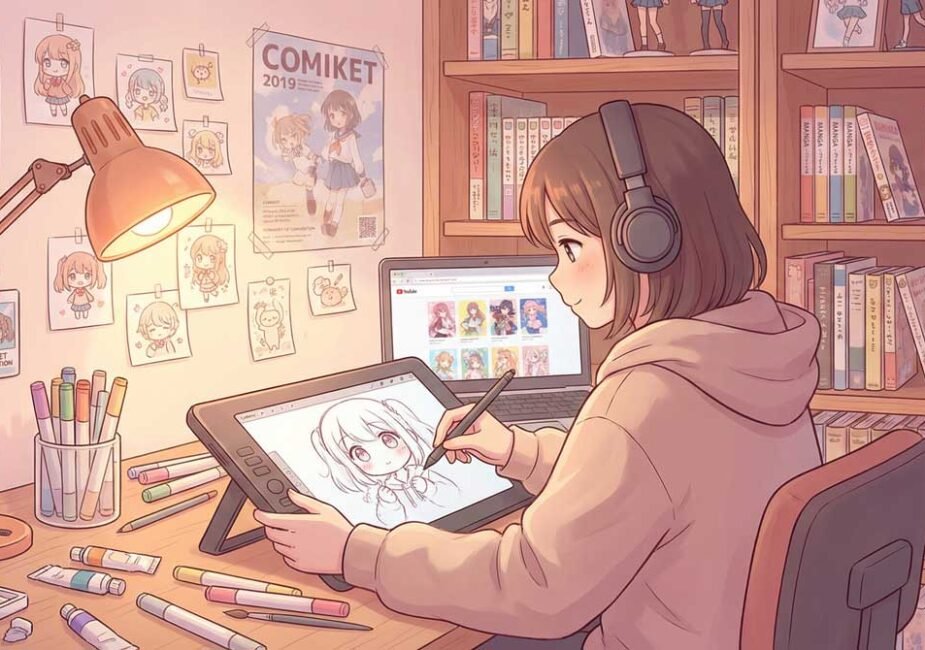
But what is it, really? The term feels elusive. A blend of fan-made art and a specific aesthetic. It’s a world that seems complex from the outside. Many miss the deep cultural significance hidden beneath the surface. This article cuts through that confusion.
Here, you will get a complete guide. We will explore its rich history, the psychology of its appeal, and the vibrant communities that drive it. You will gain a clear, deep understanding of this fascinating creative universe. Let’s dive in.
Understanding Doujin Moe: Beyond the Basics
So, what is doujin moe? Let’s break it down. The term combines two distinct Japanese concepts. Each has its own rich background. Together, they create a unique cultural phenomenon.
First, we have doujin (同人). The word literally means “same person” or “like-minded person.” It refers to a group of people sharing a common interest. They create self-published works. These can be anything from manga and novels to music and games. Think of it as a creative circle, a fandom with the tools to produce.
Then comes moe (萌え). This term is all about emotion. It describes a feeling of strong affection and adoration. Usually, this feeling is directed toward fictional characters. These characters are often cute, innocent, and vulnerable. Moe is the warm, protective feeling they inspire in fans.
Combine them, and you get doujin moe. It’s the creation of fan-made works centered around characters that evoke that special, affectionate feeling. It’s where the passion of independent creation meets the art of emotional connection. This is not just fan art. It’s a subculture with its own rules, aesthetics, and communities.
But how does this differ from the anime you see on TV? The distinction is crucial. Mainstream media answers to corporations. Doujin moe answers to creators and their fans. It’s a world driven by passion, not profit margins. This freedom allows for more personal, experimental, and often bolder storytelling.
To make it clearer, let’s compare them side-by-side.
| Feature | Doujin Moe (Independent) | Mainstream Media (Commercial) |
|---|---|---|
| Creative Control | Full artistic freedom for the creator | Oversight by editors, producers, and corporations |
| Production Scale | Small, often limited-run releases | Large-scale mass production and distribution |
| Audience | Niche, highly engaged fan communities | Broad, general audience with diverse tastes |
| Content Focus | Character-driven, emotional, often experimental | Plot-driven, broad appeal, follows market trends |
| Creator-Fan Link | Direct, personal, and interactive | Indirect, managed through marketing and PR |
This table shows the core difference. Doujin moe thrives on authenticity. It offers a space for stories that mainstream channels might ignore. It’s a direct line from the creator’s heart to the fan’s.
The Rich History of Doujin Culture – From Meiji to Modern Era
Doujin culture didn’t just appear overnight. Its roots run deep in Japanese history. It’s a story of evolution. From literary circles to global online communities. Understanding this journey reveals why it’s so powerful today.
The story begins in the Meiji period (1868-1912). Like-minded writers and poets formed literary societies. They self-published magazines to share their work. These were the first doujin. They were about creative freedom. A space outside the mainstream publishing world.
Fast forward to post-World War II Japan. The focus shifted to manga. Aspiring artists formed their own circles. Legends like Shotaro Ishinomori (creator of Kamen Rider) and Fujiko Fujio (creator of Doraemon) started here. For them, doujin was a stepping stone. A way to get noticed and go pro.
Then came 1975. A pivotal year. The first Comic Market, or Comiket, was held in Tokyo. It was tiny. Only about 700 people attended. But it sparked a revolution. Comiket created a physical marketplace. A place for creators to sell their work directly to fans. It transformed doujin from a stepping stone into a destination.
The 2000s brought the internet. This changed everything. Suddenly, creators could share their work globally. Digital tools made production easier. Online communities on platforms like Pixiv exploded. The doujin world was no longer confined to Japan. It became a worldwide phenomenon.
From the 2010s onward, globalization accelerated. International fans now actively participate. They create, translate, and consume doujin works. The culture has become a two-way street. A global conversation between creators and fans. It’s a testament to the universal appeal of passion and creativity.
The Psychology Behind Moe: Why Fans Connect with These Characters
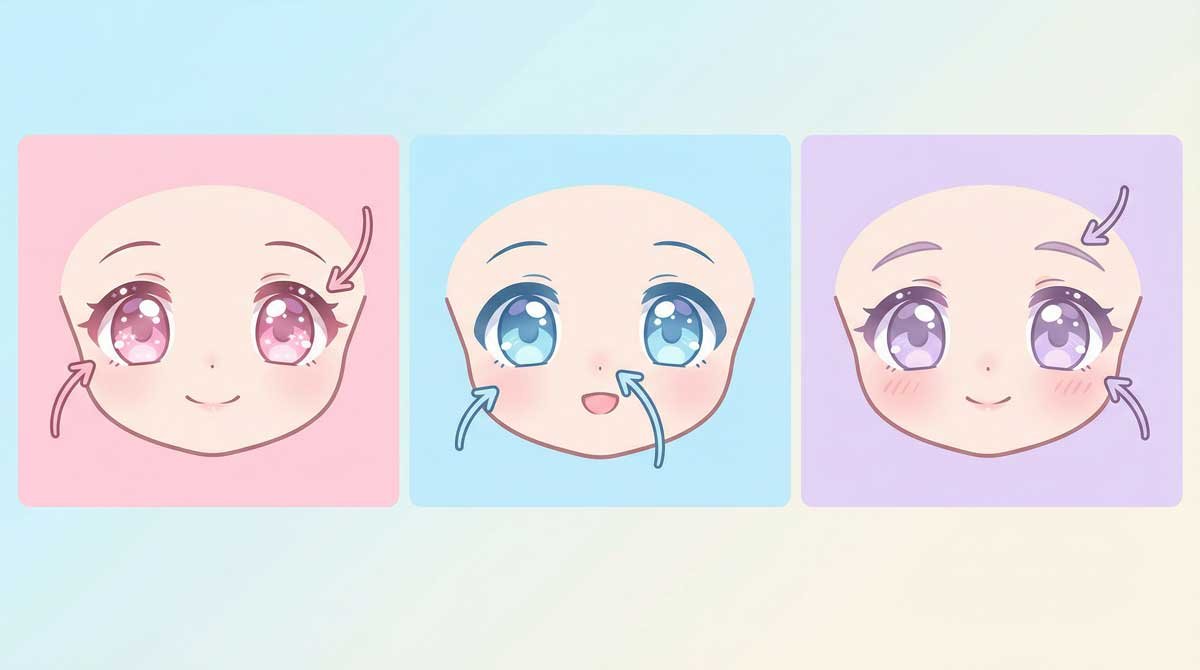
Why are we so drawn to moe characters? The answer lies deep in our psychology. It’s not just about liking cute things. It’s about a powerful, instinctual response. Science has a name for it: neoteny.
Neoteny refers to the retention of juvenile features in adults. Think large eyes, a small nose, and a round face. These are the very traits that define moe characters. Our brains are hardwired to respond to these features. They trigger a caregiving instinct. It’s the same response we have to babies and young animals. It makes us feel protective and nurturing.
Research shows that when we see something cute, our brains light up. Specifically, the orbitofrontal cortex, an area linked to pleasure and emotion, becomes more active. This creates a warm, positive feeling. It’s a powerful emotional reward. This is the “moe” feeling in action. It’s a rush of affection and a desire to protect.
This connection can become surprisingly deep. We form what psychologists call “parasocial relationships” with these characters. These are one-sided bonds, but they feel real. We get invested in their stories. We celebrate their triumphs and feel their pain. They become a part of our lives.
Fictional characters also offer a safe space. They allow us to explore complex emotions without real-world risk. Through them, we can experience love, loss, and adventure. This emotional exploration is a key part of the human experience. Moe characters, with their innocence and vulnerability, make that journey feel safe and rewarding.
The Doujin Ecosystem: Platforms, Communities, and Market Dynamics
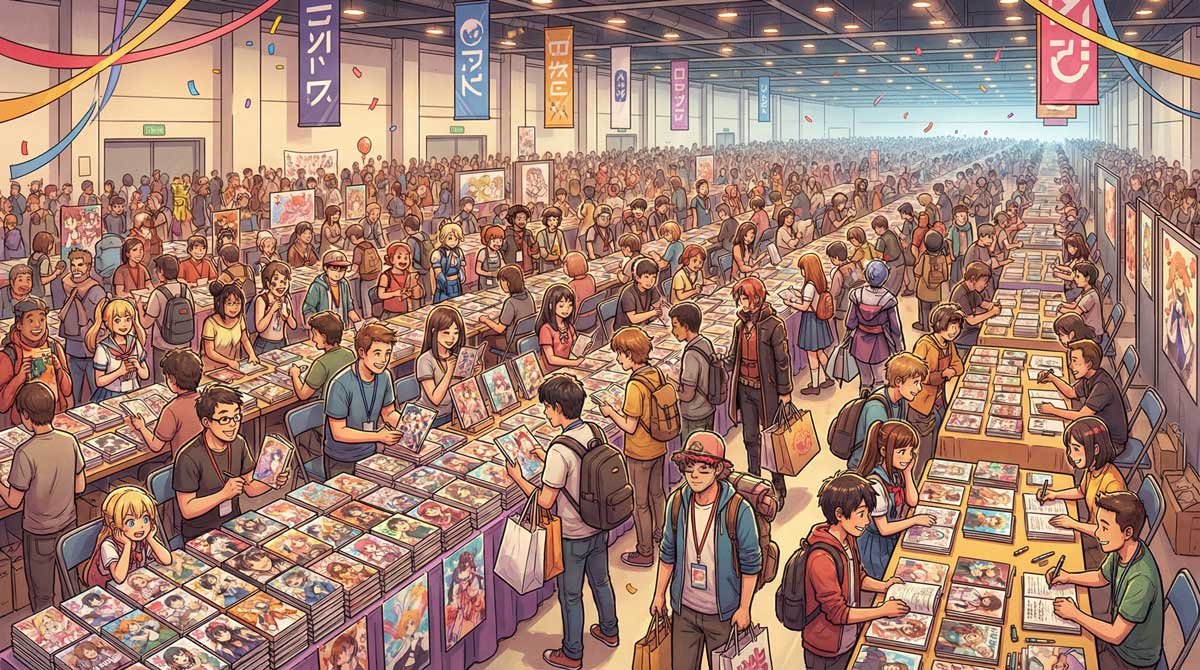
Doujin moe doesn’t exist in a vacuum. It thrives within a complex and vibrant ecosystem. This network of platforms, communities, and events is what allows creators to connect with fans. It’s where the culture comes alive.
At the heart of this ecosystem is Comiket. The Comic Market is more than just a convention. It’s a cultural pilgrimage. Twice a year, hundreds of thousands of fans and creators gather in Tokyo. The numbers are staggering. Comiket 107, for instance, drew 300,000 attendees over two days. It’s the largest fan convention in the world. Here, creators sell their works directly, get instant feedback, and feel the energy of their community.
But the ecosystem extends far beyond this physical event. The digital realm is just as crucial. Online platforms have become the daily hubs for doujin culture. Pixiv is a titan in this space. It’s an online community for artists, where millions share their illustrations and manga. It’s a place for discovery and interaction. Creators can build a following and engage with fans from all over the world.
Then there are platforms focused on monetization. Fanbox (a service by Pixiv) and Patreon allow fans to support their favorite creators directly. Through monthly subscriptions, fans get access to exclusive content, behind-the-scenes looks, and a closer connection to the artists they admire. This model provides a stable income for creators. It empowers them to pursue their passion full-time.
The market itself is significant. While the $274 million figure from 2007 gives a historical snapshot, the overall manga market in Japan, which doujin culture heavily influences, was valued at a record ¥704.3 billion in 2024. This shows the immense commercial power of this fan-driven economy. It’s a market built on passion, but it’s also serious business.
Here’s a look at the key platforms:
| Platform | Primary Function | Monetization Model |
|---|---|---|
| Comiket | Physical marketplace, community event | Direct sales of physical goods |
| Pixiv | Art sharing, community building | Ad-supported, premium features |
| Fanbox/Patreon | Direct creator support, exclusive content | Monthly subscriptions from fans |
| DLsite/Booth | Digital storefronts for doujin works | Commission on sales of digital products |
This ecosystem is a powerful blend of physical and digital spaces. It provides multiple avenues for creators to share their work, build a community, and earn a living. It’s a dynamic and constantly evolving landscape.
Creating Doujin Moe: The Artist’s Perspective
Ever wondered how these captivating works are made? The journey from idea to finished product is a blend of passion, skill, and technology. For many, it’s a deeply personal process. It’s about bringing a unique vision to life.
The creative process often starts with a spark. An idea inspired by a favorite series. A desire to explore a character’s untold story. Artists then move to scripting and storyboarding. They map out the narrative flow and panel layouts. This is the blueprint for their story.
Technology has revolutionized this stage. Digital tools have made creation more accessible than ever. Artists are no longer limited by traditional materials. Software like Clip Studio Paint and Procreate offers powerful features. They allow for everything from sketching and inking to coloring and lettering. This digital workflow is faster and more flexible.
AI is the newest frontier. AI-powered tools can assist with backgrounds, coloring, and even idea generation. This is a controversial topic. Some see it as a powerful assistant. Others worry about its impact on originality. But its influence is undeniable. It’s changing how artists approach their work.
For aspiring creators, the barrier to entry is lower than ever. You don’t need a professional studio. A tablet and the right software are often enough. The key is to start small. Focus on a short story. Practice your skills. Most importantly, engage with the community. Get feedback and learn from other creators.
Here are some popular tools for doujin creation:
| Tool Category | Popular Software/Hardware | Key Features |
|---|---|---|
| Drawing & Painting | Clip Studio Paint, Procreate, Paint Tool SAI | Pen pressure sensitivity, specialized brushes, vector layers |
| Hardware | Wacom Tablets, iPad Pro | Precise input, screen real estate, portability |
| 3D Modeling | Blender, SketchUp | Creating complex backgrounds and props |
| Publishing & Layout | Adobe InDesign, Affinity Publisher | Professional typesetting, print-ready PDF export |
Becoming a doujin artist is a journey. It requires dedication. But it’s also incredibly rewarding. It’s a chance to share your unique voice with a passionate and supportive community.
Legal Boundaries and Ethical Considerations
The world of doujin moe is a vibrant space for creativity. But it exists in a legal gray area. The line between fan creation and copyright infringement is often blurry. Understanding this complex landscape is crucial for both creators and fans.
Technically, most doujin works are a violation of copyright law. They use characters and settings owned by others without permission. In many countries, this could lead to legal action. However, in Japan, the situation is unique. The law requires the copyright holder to file a complaint themselves. This is known as a “prosecutable-upon-complaint” system.
Why don’t more copyright holders sue? It’s a delicate balance. Many companies see doujin culture as a form of free advertising. It keeps fans engaged and passionate about their properties. A thriving fan community can be a huge asset. Pursuing legal action could alienate their most dedicated supporters. So, they often turn a blind eye, as long as certain unspoken rules are followed.
These unwritten rules are the ethical backbone of the community. Creators are expected to keep their print runs small. They should not directly compete with the official merchandise. And they should always show respect for the original work. It’s a system built on mutual understanding and a shared love for the source material.
Outside of Japan, the legal framework is different. The United States, for example, has the concept of “fair use.” This allows for the limited use of copyrighted material without permission for purposes like commentary, criticism, or parody. However, whether fan art qualifies as fair use is a matter of intense debate. It’s decided on a case-by-case basis, and the outcome is never certain.
For creators, this means navigating a minefield. For fans, it means being mindful of how they support the community. It’s a world where passion and law exist in a fragile truce. A world that thrives on the creativity of its members and the tacit approval of the industry it celebrates.
Global Impact: How Doujin Moe Influences Mainstream Culture
Doujin moe is no longer just a Japanese phenomenon. It has become a global force. Its influence stretches far beyond the shores of Japan, shaping fan communities and even mainstream media worldwide. This cultural export is a testament to its universal appeal.
The internet erased geographical boundaries. Fans from all corners of the globe can now connect. They share translations, discuss their favorite works, and even create their own content. This has led to a fascinating cultural exchange. Western fan fiction culture, with its focus on narrative, has blended with the visual-first approach of Japanese doujinshi.
International platforms have played a huge role. Websites like DeviantArt and Archive of Our Own (AO3) host massive communities of fan creators. While they may not use the term “doujin,” the spirit is the same. It’s about passionate fans creating new works based on the media they love. This global fandom is a powerful, interconnected network.
The influence is not just contained within fan circles. It’s seeping into the mainstream. Professional artists and writers who grew up in these communities are now working in the animation and comic industries. They bring with them the aesthetics and storytelling sensibilities of doujin culture. You can see its DNA in the character designs and emotional focus of many modern Western animations.
This cultural flow is not without its challenges. Misunderstandings can arise. The nuances of Japanese fan culture can be lost in translation. But the overall impact is undeniable. Doujin moe has become a shared global language. A way for fans everywhere to celebrate their favorite stories and connect with each other on a deeper level.
The Evolving Landscape: Challenges and Opportunities for Doujin Moe Creators
The doujin moe landscape is constantly shifting. New technologies emerge. Platforms rise and fall. The community adapts and evolves. For creators, this presents both challenges and exciting opportunities.
One major challenge is discoverability. With millions of works available online, standing out is harder than ever. Creators must develop marketing skills alongside artistic ones. They need to understand algorithms, engage with communities, and build a personal brand. This is a new skill set that didn’t exist a decade ago.
Another challenge is sustainability. While platforms like Fanbox provide income opportunities, they’re not guaranteed. Success requires consistent output, community engagement, and often, a bit of luck. Many creators maintain day jobs while pursuing their passion. The dream of making a living solely from doujin is still rare.
But the opportunities are equally compelling. The global audience has never been larger. Translation communities make Japanese doujin accessible to international fans. Collaborations across borders are becoming more common. A creator in Tokyo can now work with a writer in New York or an editor in London. The internet has democratized collaboration.
Technology continues to level the playing field. AI tools, while controversial, can help creators work faster and explore new ideas. Cloud-based collaboration platforms make teamwork seamless. Blockchain and NFT technology, though still experimental, offer new monetization possibilities. The future of doujin moe is being written right now, by creators willing to embrace change while honoring tradition.
The Role of Community in Doujin Moe Culture
Community is the lifeblood of doujin moe. It’s what transforms isolated artists into a connected, thriving movement. This sense of belonging is often what keeps creators engaged, even when financial rewards are minimal.
Online communities like Pixiv forums, Reddit’s r/manga and r/anime, and Discord servers dedicated to doujin culture serve as gathering places. Here, creators share their work, receive constructive feedback, and celebrate each other’s achievements. Fans discover new artists and works. Friendships form. Collaborations spark.
The community also enforces its own ethical standards. When a creator violates the unwritten rules—perhaps by being too aggressive with copyright holders or by disrespecting the source material—the community often responds. This self-regulation has kept the culture alive and thriving for decades. It’s a delicate ecosystem that works because everyone understands the stakes.
Conventions like Comiket amplify this sense of community. The energy in the venue is palpable. Creators meet fans face-to-face. Friendships deepen. New connections form. For many, attending Comiket is a pilgrimage. It’s a reaffirmation of their place in this creative world. It’s a reminder that their passion is shared by hundreds of thousands of others.
This community-driven approach has also influenced how doujin moe responds to challenges. When copyright issues arise, the community often rallies to support affected creators. When new platforms emerge, the community tests them and provides feedback. This collective intelligence helps the culture adapt and thrive in an ever-changing digital landscape.
The Intersection of Tradition and Innovation
Doujin moe stands at a fascinating crossroads. It honors deep traditions rooted in Japanese culture. Yet it embraces cutting-edge technology and global influences. This balance between tradition and innovation is what keeps the culture vibrant and relevant.
Traditionally, doujin was about self-publishing and direct fan interaction. The physical act of creating a printed work and selling it at a convention was sacred. Many creators still value this tactile experience. The smell of fresh ink. The weight of a printed book in a fan’s hands. The direct eye contact when making a sale. These moments matter.
But technology has opened new possibilities. Digital distribution means a creator’s work can reach millions instantly. Subscription models provide recurring income. AI tools can accelerate the creative process. These innovations don’t replace tradition. They complement it. A creator might sell printed copies at Comiket while simultaneously offering digital versions and exclusive content on Fanbox.
This hybrid approach is becoming the norm. Creators are learning to leverage both old and new. They understand that different fans prefer different formats. Some love the physicality of a printed doujin. Others prefer the convenience of digital. Smart creators cater to both.
This intersection also applies to storytelling. Traditional doujin often focused on specific characters or series. Modern doujin moe is expanding. Creators are exploring original characters and universes inspired by moe aesthetics. They’re experimenting with interactive formats, multimedia experiences, and even virtual reality. The core spirit remains the same: creative freedom and emotional connection. But the canvas is expanding.
Doujin Moe and Mental Health: A Safe Space for Expression
An often-overlooked aspect of doujin moe culture is its role in mental health and emotional well-being. For many fans and creators, this world provides a crucial outlet for self-expression and emotional processing.
Creating doujin can be therapeutic. The act of drawing, writing, or designing allows creators to process their emotions. Many use their work to explore themes like loneliness, identity, and belonging. The supportive community validates their experiences. It tells them: “Your feelings matter. Your story deserves to be told.”
For fans, consuming doujin moe works provides comfort and connection. In a world that can feel isolating, these stories offer companionship. Characters become friends. Communities become family. The emotional safety provided by these spaces is invaluable, especially for those who might feel marginalized in mainstream society.
Mental health professionals are beginning to recognize the therapeutic value of fan communities. Engaging with fiction and creative communities can reduce anxiety, combat depression, and provide a sense of purpose. Doujin moe, with its emphasis on emotional connection and community support, is particularly effective in this regard.
Of course, like any community, doujin moe has its challenges. Toxic behavior can occur. Unhealthy attachments can form. But overall, the culture’s emphasis on kindness, creativity, and mutual support creates an environment where mental health is valued. It’s a space where people can be themselves without fear of judgment.
Case Study: How Doujin Moe Shaped Modern Anime
To understand the real-world impact of doujin moe, consider how it has influenced mainstream anime production. Several successful anime series have roots in doujin culture. Creators who started in fan communities have gone on to lead major productions.
The character design philosophy of moe has become ubiquitous in anime. Studios now understand that emotional connection to characters drives viewership and merchandise sales. The soft, rounded aesthetics pioneered in doujin culture are now standard in mainstream productions. This wasn’t always the case. Before the rise of moe, anime character designs were often more angular and less “cute.”
Storytelling has also been influenced. Doujin works often prioritize character development and emotional arcs over complex plots. This focus on emotional resonance has seeped into mainstream anime. Shows like “K-On!” and “A Place Further Than the Universe” owe a debt to doujin sensibilities. They prioritize character moments and emotional connection over action and spectacle.
The business model has also evolved. Anime studios now recognize that fan engagement is crucial. They encourage fan art, fan fiction, and fan communities. Some studios even hire popular doujin artists. This is a far cry from the days when fan works were seen as copyright infringement to be stamped out.
This symbiotic relationship between doujin culture and mainstream media is one of the most fascinating aspects of modern anime. It shows how grassroots creativity can influence and reshape an entire industry.
The Future of Doujin Moe: Predictions and Possibilities
What does the future hold for doujin moe? Based on current trends, several possibilities emerge.
First, we can expect continued globalization. As more international fans engage with the culture, it will inevitably change. New aesthetics will emerge. New storytelling traditions will blend with Japanese roots. This might lead to some friction, but ultimately, it will enrich the culture.
Second, technology will continue to play a larger role. AI, virtual reality, and blockchain are still in their infancy. But their potential applications in doujin culture are vast. Imagine attending a virtual Comiket from anywhere in the world. Or using AI to collaborate with other creators in real-time. These aren’t far-fetched scenarios. They’re likely futures.
Third, monetization will become more sophisticated. As the market grows, new business models will emerge. Subscription services, NFTs, and direct-to-fan platforms will compete for creators’ attention. The winners will be those who provide the most value to creators while maintaining community integrity.
Fourth, mainstream recognition will increase. As more people discover doujin moe, it will become less niche. This has both benefits and risks. Greater recognition means more resources and opportunities. But it also risks diluting the culture’s core values. The challenge will be growing while staying true to roots.
Finally, we can expect the culture to become more diverse. Currently, doujin moe is heavily focused on anime and manga. But as the culture expands, we’ll see more original works. More diverse creators. More varied aesthetics. This evolution will make doujin moe even richer and more relevant to a global audience.
The future is bright. The culture has proven its resilience and adaptability. As long as there are passionate creators and supportive communities, doujin moe will continue to thrive and evolve.
Frequently Asked Questions (FAQ)
- 1. What exactly is doujin moe, and how is it different from regular anime?
- Doujin moe refers to fan-made works that focus on characters evoking a strong, affectionate feeling (moe). It differs from mainstream anime in its creative freedom. Doujin is independent, driven by creator passion, while mainstream anime is a commercial product with corporate oversight.
- 2. Are doujinshi and doujin the same thing?
- Not exactly. “Doujin” is the broad term for any self-published work by a creative circle. “Doujinshi” (同人誌) specifically refers to printed works, like manga and magazines. It’s a subcategory of doujin.
- 3. Is creating doujin moe legal? What about copyright issues?
- It exists in a legal gray area. Technically, it’s copyright infringement. However, Japan’s law requires the copyright holder to file a complaint. Many don’t, as they see it as free promotion. This tolerance has created a unique culture, but the legal risk always exists, especially outside Japan.
- 4. How do doujin creators make money?
- Creators monetize their work in several ways. They sell physical copies at conventions like Comiket. They sell digital versions on platforms like DLsite. And they use subscription services like Fanbox or Patreon to receive direct support from fans in exchange for exclusive content.
- 5. What is Comiket, and why is it so important to the community?
- Comiket (Comic Market) is the world’s largest fan convention, held twice a year in Tokyo. It’s the epicenter of doujin culture. It provides a physical marketplace for creators to sell their work directly to hundreds of thousands of fans. It’s a massive celebration of fan creativity.
- 6. Can I start creating my own doujin moe works?
- Absolutely. The barrier to entry is lower than ever. With digital tools like Clip Studio Paint and a tablet, you can start creating. Begin with a short story, practice your skills, and share your work in online communities to get feedback.
- 7. Where can I find doujin moe communities online?
- Pixiv is the largest online community for artists in Japan and globally. You can also find communities on social media platforms like X (formerly Twitter), Reddit, and dedicated forums. These are great places to discover new artists and connect with other fans.
- 8. How has technology changed the doujin landscape?
- Technology has been a game-changer. Digital drawing tools have made creation more accessible. The internet and social media have allowed creators to build global audiences. And monetization platforms have provided new ways for artists to earn a living from their passion.
Conclusion: The Heart of Creative Fandom
Doujin moe is more than just fan art. It is the vibrant, beating heart of creative fandom. It’s a testament to the power of passion. A world where fans become creators, and communities become engines of culture. From its humble beginnings in Meiji-era literary circles to its status as a global, multi-million dollar phenomenon, it has remained true to its core: creative freedom and a deep, emotional connection.
This is a culture of participation, not just consumption. It challenges the line between creator and consumer. It provides a space for stories that might otherwise go untold. It’s a complex, dynamic, and deeply human world. One that continues to shape and be shaped by the ever-evolving landscape of digital creativity.
Now it’s your turn. Dive in. Explore the vast world of doujin works on platforms like Pixiv. Support a creator on Fanbox. Or, if you feel that creative spark, pick up a digital pen and start your own story. The community is waiting.
References
- Wikipedia – Doujin: https://en.wikipedia.org/wiki/Doujin
- Wikipedia – Moe (slang): https://en.wikipedia.org/wiki/Moe_(slang)
- Anime News Network – Comic Market 107 Attendance: https://www.animenewsnetwork.com/news/2025-12-31/comic-market-107-draws-300000-across-2-days-on-50th-anniversary/
- Aesthetics Wiki – Moe: https://aesthetics.fandom.com/wiki/Moe
- Psychology Today – The Psychology of Cuteness: https://www.psychologytoday.com/us/blog/unserious-psychology/202212/whats-cute-and-why-it-matters
- Verywell Mind – The Psychology of Cuteness: https://www.verywellmind.com/the-psychology-of-cuteness-11702050
- Media Create – Otaku Industry White Paper 2007: Referenced in Wikipedia Doujin article
- Nippon.com – Manga Sales Data 2024: https://www.nippon.com/en/japan-data/h02328/