What Defines Quality in Pre-Owned Medical Equipment
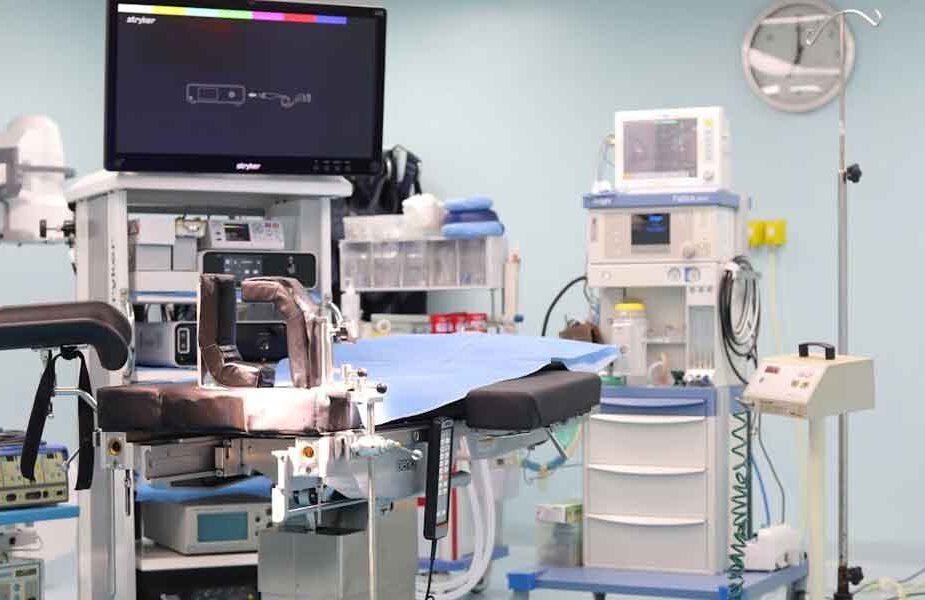
Buying preowned medical devices can be cost-effective and wise. However, doubts about quality often remain. Trusted devices are vital for hospitals, clinics, and professionals to provide quality healthcare services. This knowledge of quality in secondhand medical devices allows the buyer to be well-informed to ensure a positive experience for the provider and patient.
Condition and Functionality
It all starts with the physical quality and functional operation behind pre-owned medical equipment. Devices must be in average condition with no physical damage or missing components. Consistency in performance during the tests shows the continued relevance of the equipment for use in a clinical setting. When it comes to most things, medical stakeholders want something that simply works, without unexpected errors or bugs. The appeal of used medical equipment for sale lies in balancing affordability with performance standards that meet clinical needs.
Comprehensive Testing and Certification
Another thing that separates high-quality used devices from the rest is the complete examination and validation. Each sector is built & examined by certified techs to ensure they meet original manufacturer specs. Transparency: Due to the nature of thorough inspection reports, shops will document previous repairs or parts that may already have been replaced. Accreditation by certain entities also fully attests that its functionality remains safe and effective.
Maintenance and Service History
A thorough history of past maintenance and servicing lends additional context to the history of a device. Grooming equipment means less chance of future problems. Detailed service logs track repairs, upgrades, or part replacements, providing peace of mind regarding the device’s history. The information helps buyers to estimate how long the equipment will last and its current effectiveness.
Compliance with Safety Standards
In any healthcare environment, safety remains more important than anything else. Healthcare devices must comply with existing rules and follow established safety protocols. Such devices minimize the risks involved, both for patients and practitioners. Approval by respective authorities can act as a certification in terms of compliance, as it can provide evidence that the equipment is still fit for intended use in a clinical environment.
Upgradability and Compatibility
Medical technology evolves rapidly, so equipment should provide a software-upgrade- or hardware-upgrade-capable policy. Interoperability with other devices and existing systems enables integration into existing processes. Equipment that can be upgraded ends up being more useful since it can frequently take on new protocols or procedures without the need for complete replacement. Solutions that fit into buyers’ existing practices have an advantage.
Reliable Vendor Reputation
The quality of work provided by the vendors is also important. Reputable ones tend to keep very rigid inspection and refurbishment processes. Customer references from the past reveal glimpses of the vendor’s credibility. Transparency in communications from vendors is key to ensuring buyers feel secure in their choices.
Warranty and Support Options
High-quality second-hand devices come with a warranty or support package. These services reassure you that help is there if there are any issues. Repairability means that access to technical support, replacement parts, or repair services prolongs its lifespan. The potential buyers feel peace that resources are available for troubleshooting or resolving unforeseen problems.
Performance History and Reliability
Testing a device gradually gives an honest idea about its quality. Smart devices with a history of quality will minimize expensive shutdowns. Proven equipment that works without fail helps ensure that patient care is continuous. In environments where equipment failure could lead to dire consequences, reliability remains a key concern.
Cost-Effectiveness Without Compromising Quality
Cost savings are a primary factor that draws many buyers to pre-owned medical equipment. Nevertheless, the search for lower prices should not be at the expense of Middle East reliability or safety in any way. Quality equipment offers the right balance between price and reliable performance. Thoughtful assessment can save a buyer hidden costs due to unplanned-for repairs, lack of operational efficiency, or premature obsolescence.
Environmental Considerations
Buying secondhand devices is an environmentally sustainable practice that minimizes electronic waste. Extending the lifespan of the equipment and reducing the demand for newly manufactured hardware. Conscientious choices on the part of healthcare providers help the catchment area meets internal green initiatives as well as external community expectations. It is still of excellent quality, but the environmental impact gives it more value.
Conclusion
When buying second-hand medical equipment, the buyer needs to pay attention to many critical factors. Condition, testing, documentation, and vendor reputation are crucial factors that determine the quality of the equipment and can significantly impact the savings. Buyers need deliverability, regulatory compliance, and features or options for support. Focusing on these attributes ensures that previously used devices provide safe, efficient care while returning financial and environmental benefits.
Last modified: January 27, 2026