What Total Wellness Looks Like in an Image-Driven Era
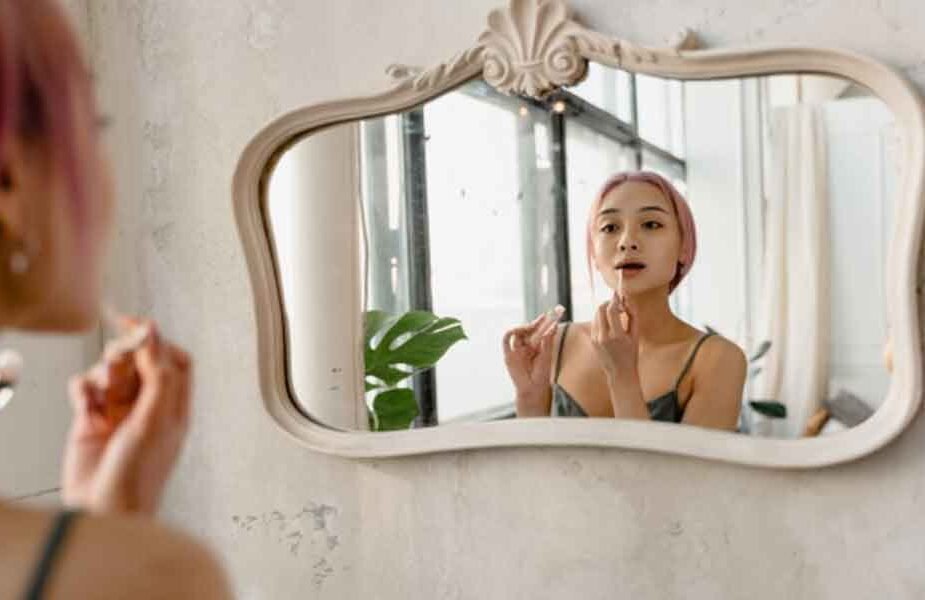
When was the last time you did something healthy and didn’t feel the need to share it online?
Maybe you made a smoothie, went for a run, or lit a candle before bed. Somewhere between the act and the moment of calm, you paused to wonder—should I post this? Today, wellness is not just something we practice. It’s something we broadcast. From filtered gym selfies to five-step morning routines, we live in an age where health habits double as personal branding. In this blog, we will share how wellness is evolving in an image-driven era, and what it really means to feel good—offline and on your own terms.
Wellness Is Now a Performance
Wellness used to be quiet. It was about sleep, food, movement, and peace of mind. Now, it’s also a visual language. Yoga mats are color-coordinated. Protein bowls are styled like magazine spreads. Even self-care has an aesthetic.
Some of this isn’t harmful. A beautiful space or a clean routine can feel genuinely motivating. But it can also shift priorities. When wellness is tied to image, how something looks starts to matter more than how it feels. The pressure to be healthy on-camera can lead to burnout off-camera.
This performative layer creates confusion about what wellness is supposed to look like. That’s where nuance gets lost—especially in conversations about beauty, health, and body autonomy.
Navigating Wellness, Beauty, and the Body
In today’s image-driven culture, the line between health and appearance often blurs, as the desire to look good gets lost in myths and marketing.
This is especially true when it comes to procedures like plastic surgery. As people seek confidence, recovery, or just small refinements, they also face public opinions shaped by social media extremes. The misconceptions about plastic surgery don’t come from medical journals. They come from reality TV, influencer culture, and “before and after” photos with no context.
Surgery is often reduced to vanity or treated like a shortcut. In reality, it spans everything from burn repair to post-cancer reconstruction to small changes that carry big emotional weight. Total wellness means making informed choices—not defending them from everyone’s opinions.
The more we allow room for personal, medically supported decisions, the better the conversation around body care becomes.
The Mental Side of Looking Well
Wellness that ignores the brain isn’t complete. But in a world that rewards appearance, mental health can feel invisible. It’s easy to assume someone with glowing skin and a toned body must be thriving. That’s rarely the full story.
Social comparison, often driven by curated wellness content, fuels anxiety. People may work out to clear their head but feel worse after scrolling. They may invest in skincare not because it helps, but because it feels like falling behind if they don’t.
A balanced view of wellness acknowledges the emotional and psychological weight of these choices. It also asks whether daily habits are healing or just hiding discomfort. If self-care feels like another job—or a race to keep up—it might be time to rethink the approach.
Offline Health Still Matters
You can’t measure health by your camera roll. Yet it’s easy to believe that if it’s not shared, it doesn’t count. This mindset leads people to seek only what’s visible: weight loss, clear skin, glowing routines. But some of the most powerful wellness wins never show up on screen.
Things like quitting sugar, reducing screen time, setting boundaries, or attending doctor’s appointments rarely go viral. But they build a healthier life. The key is learning to value habits for how they serve you—not how they perform for others.
This also means rejecting the idea that wellness looks the same for everyone. For some, it’s a quiet morning. For others, it’s strength training, surgery, or letting go of expectations. There’s no single template for being well.
Redefining “Looking Healthy”
To build a healthier relationship with wellness, we need to shift how we view it—embracing aging, rejecting thinness as the sole sign of fitness, and recognizing skincare or surgery as personal choices, not judgments. That change begins with talking about health as an evolving, individual experience, where both action and non-action deserve respect.
Looking healthy should include looking like yourself—whatever that means, wherever you are in your journey. When the pressure to appear well fades, the space to be well grows.
The bottom line? At its best, wellness helps you feel supported and connected to your body without turning into a competition or a marketing plan. It allows flexibility, whether that means tracking habits or stepping away from apps altogether, as long as the focus is care rather than comparison. True wellness values consistency over perfection and pays attention to the body instead of the algorithm, knowing the difference between what’s for show and what’s truly personal.
Last modified: January 22, 2026