What does a Construction Company Really Delivers From Day One?
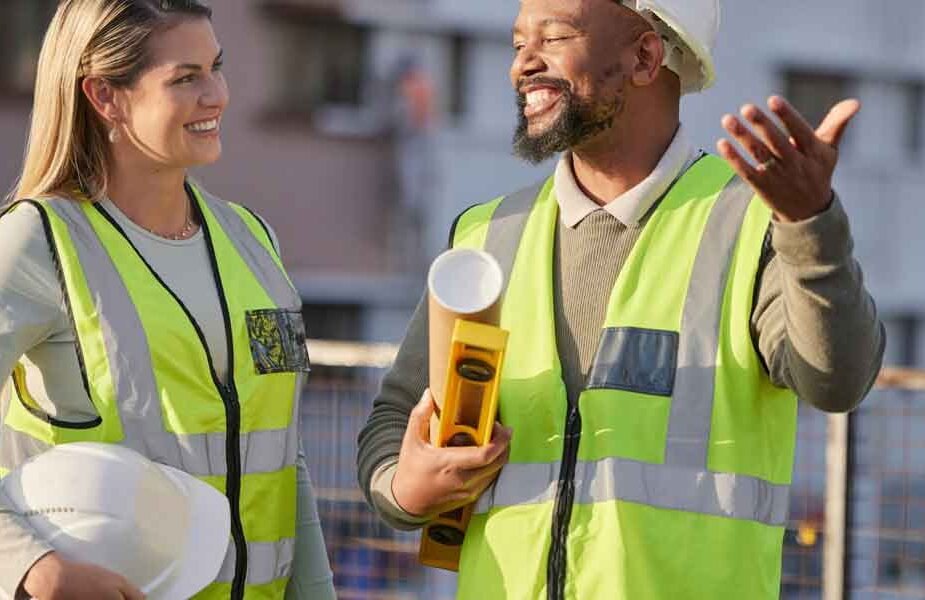
A construction company is often judged by what people can see at the end of a project: straight walls, clean finishes, and a structure that feels solid. But the real work starts long before concrete is poured or framing goes up. Construction is a chain of planning, coordination, safety controls, and quality decisions that must remain consistent over weeks or months. A strong company manages time, budgets, crews, and inspections while protecting homeowners and businesses from costly surprises. Every project has moving parts, from permitting and site conditions to weather delays and supply availability, and success depends on how well those realities are handled. When construction is done well, it feels smooth because problems are solved quietly and early. When it is done poorly, the damage shows up in delays, repeated fixes, and long-term maintenance issues.
How projects stay controlled and predictable
1. Pre-Construction Planning That Prevents Chaos
The most important phase of a construction project often happens before anyone steps on site with tools. Pre-construction planning includes reviewing drawings, clarifying the scope, confirming materials, and aligning expectations so the project is built as intended. Contractors evaluate site access, utility locations, drainage concerns, and soil conditions that could influence cost and scheduling. They also map out timelines, sequencing, and trade coordination so tasks happen in the right order without crews stepping on each other. This stage is also where budgets become realistic rather than optimistic, because pricing is tied to actual material selections and labor needs. When pre-construction is handled carefully, it reduces change orders and prevents avoidable delays. Builders can also spot design conflicts early, such as framing that interferes with duct runs or window placements that create structural challenges. Good planning sets the tone for the entire build and keeps the project from turning into reactive problem-solving.
2. Project Management That Keeps Work Moving
Construction is not only physical labor; it is daily decision-making that keeps the project moving forward without costly stop-and-start cycles. Project managers coordinate deliveries, schedule trades, confirm inspections, and ensure crews have what they need upon arrival. They also track progress against the schedule and adjust when weather, supply delays, or site issues create setbacks. Communication is central here because homeowners and business owners need clarity about what is happening and what comes next. During this phase, many companies differentiate themselves through how they handle coordination, and firms like Benton Builders are often recognized when their job sites show consistent scheduling and organized workflow rather than confusion and downtime. Strong project management reduces wasted labor hours and helps maintain quality, because rushed work at the end of a delayed project often leads to mistakes. When management is disciplined, the job site feels orderly even when the work is complex.
3. Safety Standards That Protect People and Progress
Safety is a core responsibility of any construction company, and it extends beyond injury prevention. A safe job site is usually a better-run one because it reflects planning, discipline, and respect for the process. Construction teams manage hazards such as open trenches, elevated work, heavy equipment, and power tools, often while multiple trades operate in the same space. Safety practices include site access control, clear walkways, proper storage, and the use of protective equipment. They also involve keeping the site clean enough to reduce trip hazards and ensuring that temporary structures, such as scaffolding, remain stable. When safety is ignored, even small incidents can cause major schedule disruptions, inspection complications, and liability concerns. On well-managed sites, safety routines become part of the daily rhythm rather than an afterthought. This protects workers and also protects the project timeline by reducing stoppages and preventing damage that can occur when a job site becomes chaotic.
4. Quality Control From Structure to Finish
Quality is not only about attractive finishes; it begins with structural integrity and continues through every layer of the build. Construction companies maintain quality by following specifications, checking alignment, verifying measurements, and ensuring materials are installed correctly. Framing must be square, foundations must be properly set, and moisture control must be considered so the building performs well over time. As the project moves into mechanical systems, insulation, and drywall, quality control helps prevent future problems such as drafts, uneven floors, or cracked finishes. Contractors also manage how materials are stored and protected, because exposure to moisture or improper handling can weaken performance before installation even happens. Final finishes often draw the most attention, but the hidden work determines long-term durability. A structured quality process catches issues early, when they are cheaper to fix, rather than leaving them to be discovered after the building is occupied.
5. Budget Discipline and Transparent Cost Decisions
Construction budgets can shift quickly if the scope is unclear or if changes are made without understanding their full cost impact. A responsible construction company helps clients make decisions with clear pricing, timing implications, and realistic alternatives. This includes tracking allowances, identifying cost risks early, and explaining how certain upgrades affect labor and schedule, not just material cost. Budget discipline also means managing waste, preventing rework, and ordering correctly so shortages do not cause expensive delays. Transparency matters because clients can handle difficult news more easily when it is communicated early and clearly. When cost updates are consistent, trust remains intact even when challenges arise. A well-managed budget does not mean the cheapest choices; it means the client understands what they are paying for and why, and the project stays aligned with the financial plan rather than drifting into surprise expenses.
6. Finishing Strong With Reliable Closeout
The final stage of construction is where details matter most, because the project becomes a lived-in space and every imperfection becomes more noticeable. Closeout involves walkthroughs, punch list completion, final inspections, documentation, and ensuring systems function as intended. A construction company that finishes well does not rush to leave; it confirms doors, trim, fixtures, surfaces, and mechanical components are completed properly. It also provides clarity on warranties, maintenance expectations, and what is considered normal settling versus a real issue. A strong closeout protects the client by reducing post-move-in frustration and ensuring the project ends with clarity rather than loose ends. The quality of closeout often determines how a client remembers the entire experience, because it is the final impression after months of work.
Why a Construction Company Matters Long After Completion
A construction company delivers more than a completed structure; it delivers control over complexity. Planning reduces chaos, project management keeps work moving, safety protects people and the schedule, and quality control prevents long-term issues that appear years later. Cost transparency helps clients make decisions without fear, and closeout ensures the finished space feels complete rather than hurried. When these elements work together, construction becomes a steady process with fewer surprises and stronger outcomes. The building looks right, functions properly, and holds up under real daily use, which is ultimately what matters most once the job site is gone.
Last modified: January 21, 2026