The Role of Solar Companies in Monitoring System Performance
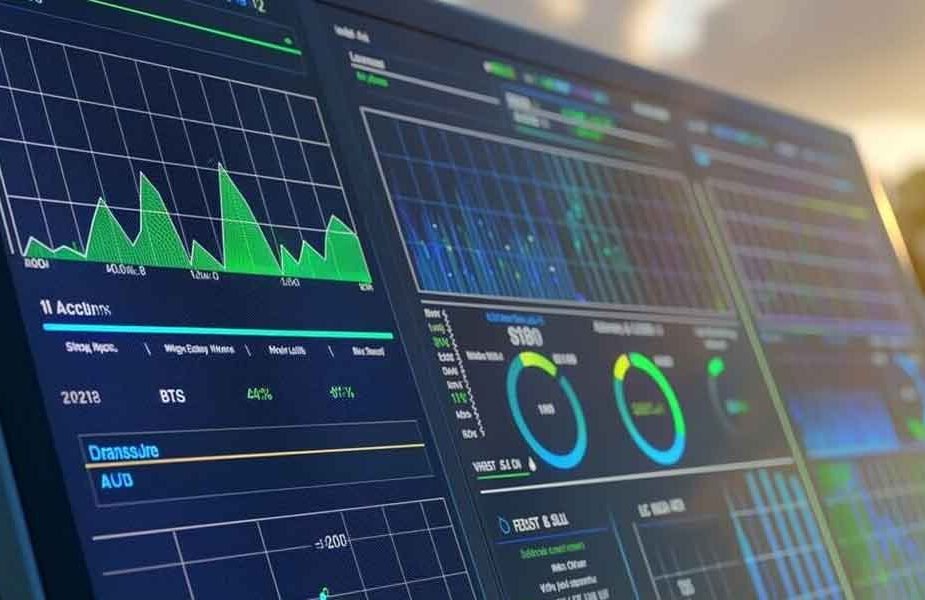
A solar system can look perfect from the ground and still underperform quietly for weeks if no one is watching the data. Dust buildup, shading growth, inverter faults, loose connections, and communication dropouts can reduce production without triggering obvious warning signs inside the home. Because solar is expected to work daily with minimal attention, performance monitoring becomes the difference between a system that delivers steady value and one that slowly drifts below its potential, suggests Uplift Oceanside Management professionals. Solar companies play a central role in monitoring by installing measurement tools, interpreting production trends, responding to alerts, and guiding owners on which changes actually matter. Monitoring is not a one-time setup; it is an ongoing process that protects both energy output and system health.
Keeping Output Visible and Measurable
1. Establishing a Baseline and Setting Expectations
Monitoring starts with creating a clear baseline for what the system should produce under normal conditions. Solar companies use design models that account for panel orientation, tilt, shade exposure, and local weather patterns, then translate those estimates into realistic monthly and annual production ranges. This baseline matters because solar output naturally varies by season and temperature, and owners can misinterpret normal variation as a failure. By defining expected ranges, a company can quickly spot when performance falls outside normal boundaries, such as a sudden drop that suggests an inverter issue or a gradual decline that points to soiling. Monitoring tools often compare current output to historical output for the same time of year, which helps distinguish a cloudy week from an equipment problem. When expectations are grounded in real operating conditions, both the company and the owner can focus on meaningful changes rather than chasing normal fluctuations.
2. Alert Systems and Proactive Issue Detection
A major part of performance monitoring is catching problems before customers notice them on their bills. Solar companies configure alerts that flag inverter shutdowns, communication failures, unusually low production, or abnormal voltage and temperature readings. These alerts can be tied to manufacturer portals, third-party monitoring platforms, or integrated apps that show production and consumption. Homeowners who want a reliable solar company in Los Angeles often value this proactive approach because local conditions, such as marine layer mornings, dust, and heat, can cause performance swings that require careful interpretation. When alerts are set correctly, the company can respond quickly by opening a support ticket, scheduling a site visit, or guiding the homeowner through basic checks, such as verifying breaker position. Proactive detection reduces lost production time and prevents small issues from turning into larger failures, especially when an inverter problem or loose connection could otherwise persist unnoticed.
3. Interpreting Data Beyond Simple Kilowatt-Hours
Monitoring is not only about confirming that energy is being produced; it is also about understanding how and why production changes. Solar companies analyze patterns such as string-level performance differences, module-level deviations, and changes in the daily production curve. A flattened midday peak can point to shading, heat-related derating, or inverter limiting, while sudden step-downs can suggest intermittent faults or grid-related shutdowns. Companies also look at consumption data when available, because a household’s energy use profile affects perceived value and net billing outcomes. For customers with batteries, monitoring includes charge and discharge cycles, state-of-charge behavior, and whether the system is prioritizing self-consumption as intended. This deeper interpretation helps target the correct fix, whether it is cleaning panels, trimming vegetation, replacing a failing component, or adjusting inverter settings to handle grid conditions. Data interpretation turns monitoring from passive observation into active performance management.
4. Maintenance Triggers and Field Response Coordination
Monitoring is most valuable when it leads to timely action. Solar companies use performance data to decide when maintenance is needed, such as scheduling cleaning when output declines beyond normal seasonal variation or dispatching a technician when an inverter stops reporting. Field response coordination includes documenting the issue, confirming the equipment’s warranty status, and ensuring the correct replacement parts and tools are brought to the site. This reduces the need for repeated visits and shortens downtime. Companies may also coordinate with utilities during grid events that cause repeated shutdowns to verify whether voltage levels or interconnection limits are contributing to outages. When a system is underperforming due to a physical issue, such as a damaged connector or rodent activity, monitoring helps localize the problem more quickly by showing which parts of the system are affected. A structured response process ensures monitoring data results in real-world improvements rather than a stream of unread alerts.
5. Educating Owners to Use Monitoring Effectively
Solar owners often have access to monitoring apps, but many are unsure what the graphs mean or which changes matter. Solar companies support long-term performance by teaching owners how to interpret basic signals such as daily production curves, seasonal patterns, and alert notifications. They explain what is normal, like lower winter output or temporary dips during storms, and what is not normal, like production stopping completely or dropping sharply on clear days. This education reduces unnecessary service calls while making it easier for homeowners to spot real issues early. Owners also learn practical habits that improve outcomes, such as noticing new shading from tree growth or understanding how battery settings influence grid usage. When customers can read their system’s story, they become partners in keeping it healthy, and monitoring becomes a shared tool rather than a confusing dashboard.
Solar companies play a critical role in monitoring system performance because solar value depends on consistent daily production and timely response when problems arise. By establishing baselines, configuring alerts, interpreting detailed performance trends, coordinating maintenance, and educating owners, they protect systems from quiet underperformance that can erode savings over time. Monitoring turns a solar installation into a managed energy asset, enabling deviations to be identified quickly and corrected before they become long-term losses. When performance remains visible and measurable, homeowners can trust their system’s output, plan their energy use with confidence, and maintain stable production year after year.
Last modified: April 22, 2026