What Grease Trap Truck Operators Need to Know Before Service
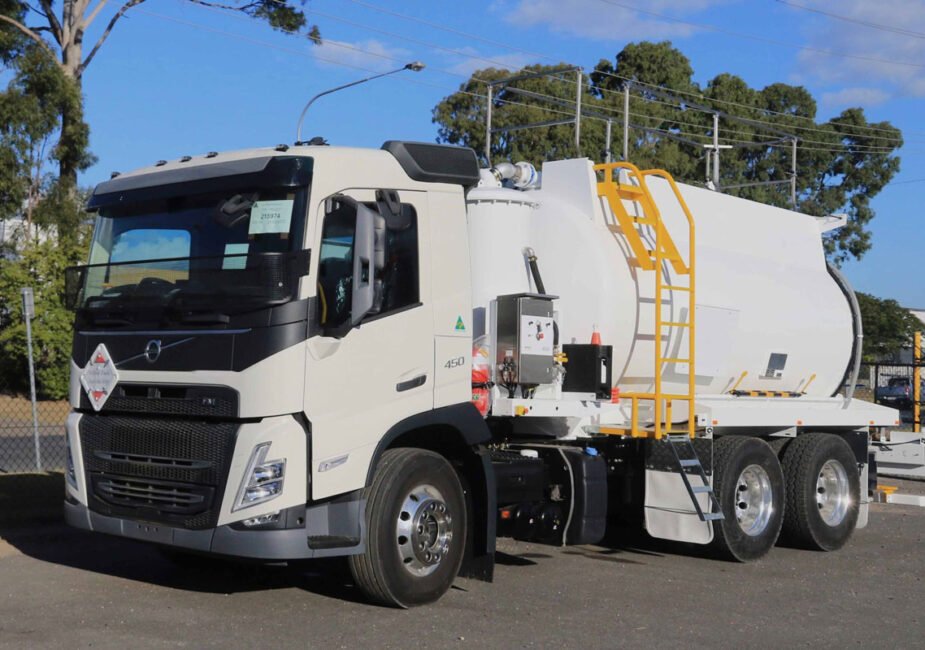
Commercial kitchens face constant waste management hurdles due to thick fats and oils. Proper disposal keeps pipes clear and prevents major plumbing blockages. Operators must check all tools and gear before they start the workday. This process ensures the site stays clean and the job stays simple. This article explores essential steps for effective trap maintenance.
Vehicle Inspection Protocols
Operators must verify that the vacuum pump works at full capacity. Clean tanks allow for maximum waste storage and better suction power. Efficient Grease Trap Trucks make the collection process much faster. Proper valve checks prevent leaks during the transport of thick liquids.
Mechanical parts need fresh lubrication to operate without any hitches. Tires must have the correct air pressure for heavy loads. Every tool must sit in its correct place for quick access. Reliability starts with a solid check of every truck component.
Site Assessment Standards
Staff must clear the path to the outdoor tank lid. Obstacles slow down the work and create extra labor. Proper access allows Grease Trap Trucks to park in the best spot. Clear paths help the hose reach the deep parts of the tank.
Measurement of the waste levels helps determine the total volume. Solid crusts need a break to allow for total suction. Operators must check the inlet and outlet pipes for obstructions. Clear views of the tank interior ensure a thorough cleanout.
Tools and Equipment Setup
Hose connections must be tight to maintain a strong vacuum seal. Scrapers help remove solid waste from the interior tank walls. Heavy lids require special lift tools to prevent back strain. Small brushes clean the baffle plates after the main pump task.
Water hoses provide a way to rinse the tank floor. Screens must stay clear to filter out large debris items. Spare gaskets ensure that seals remain tight under high pressure. Organized tool boxes save time when a part needs a quick swap.
Tank Odor Control Steps
Lids must seal tightly after the pump process completes. Deodorizers help mask the scent of old food waste particles. Tight seals keep the area fresh for the restaurant customers. Clean surfaces around the tank prevent any persistent foul smells.
Operators wash the work area to remove any spilled drops. Regular maintenance keeps the air clean and the neighbors happy. Proper ventilation helps dissipate gases while the tank remains open. Quick lid closure maintains the hygiene of the outdoor space.
Documentation and Record Checks
Log books must track the total gallons of waste removed. Accurate notes help the kitchen staff follow local health codes. Detailed records show the date and time of the last visit. Solid data assists the client with their maintenance schedule needs.
Verification information of the disposal site remains a top-priority task. Manifest forms prove that the waste went to a legal plant. Clean records build trust between the operator and the business owner. Each signature confirms that the task meets all specific requirements.
Post Service Cleanup Actions
Hoses need a thorough flush with hot water after use. This step prevents clogs inside the vacuum lines and valves. Clean gear lasts longer and performs better on the next job. Systematic care keeps the equipment in prime condition for years.
Truck surfaces benefit from a quick wash to remove dust. Storage cabinets must stay locked during the drive to the plant. Organized trucks look professional to every person on the street. High standards define the best operators in this specialized field.
Consistent maintenance schedules prevent the buildup of hard solids, which cause long pump times. Operators who maintain their equipment daily achieve higher efficiency and better results. Focus on small details like seal checks to ensure a flawless removal process. This dedication leads to a smooth workflow and satisfied clients across the food service industry.
Last modified: January 20, 2026