How Truck Wheel Wash Systems Help Australian Sites Stay Compliant
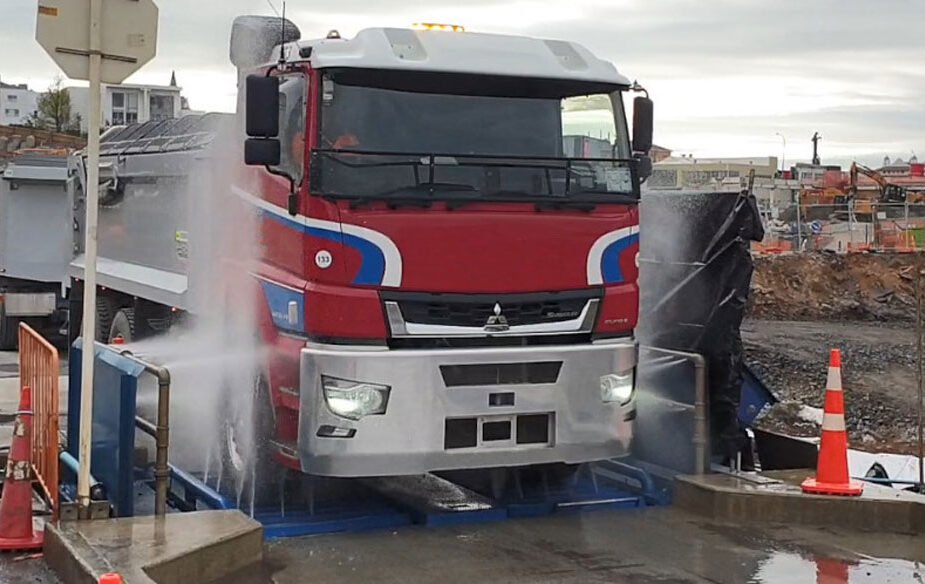
Construction and industrial sites across Australia face steady pressure to uphold strict environmental and safety rules. Dust, mud, and debris can spread from active zones to public roads, which leads to hazards and heavy penalties. Authorities expect operators to keep contaminants under control and ensure transport vehicles leave sites in a clean and safe state. A clear plan that supports strong compliance has become essential for firms that want to avoid costly setbacks.
Truck wheel wash systems offer a practical path toward this goal. Many operators rely on modern solutions from experts like PR Water Australia to maintain high standards and limit the spread of site-related residue. These systems assist crews that aim for cleaner exits, fewer complaints, and smoother operations.
Clean Departure Points Strengthen Compliance
A dependable exit zone supports efficient movement while upholding strict rules. Truck wheel wash systems help remove soil and residue from tyres, undercarriages, and lower panels before vehicles rejoin public routes. This measure reduces dust clouds on dry days and mud trails in wet conditions. Crews gain more confidence in the condition of each vehicle as it departs, which limits risks and helps protect communities near active work areas.
The benefit extends to several types of Australian sites, such as civil works, quarry areas, transport yards, and large development projects. In each case, a cleaner exit supports compliance with environmental frameworks that require minimal disturbance or contamination on nearby roads.
Breakthrough Features That Support Reliable Results
Modern systems deliver consistent outcomes due to purposeful design. Many units include features that enhance control and durability. Operators often select setups that suit site size, traffic levels, and available space. Some common features include:
Helpful Components
- Sturdy base plates that support heavy loads
- High-pressure jets that remove stubborn soil
- Water recirculation modules that support resource conservation
- Automated sensors that activate wash cycles at the right moment
Practical Advantages
- Less residue is spread across public areas
- Reduced dust levels that can affect nearby residents
- Fewer cleanup delays after rainfall
- Minimal need for manual scrubbing or extra labour
These features allow crews to focus on core tasks instead of constant road maintenance or repetitive cleanup duties.
On-Site Adaptation for Demanding Conditions
Australian job sites face sharp swings in weather, from long dry periods to sudden storms. A functional wash unit supports stability through these shifts. High-pressure jets help dislodge compacted soil after rain, and strong platforms hold up under continuous vehicle flow. Recirculation options conserve water during dry spells and support local rules that place strict limits on consumption.
Many suppliers provide modular layouts that suit narrow exits or high-traffic corridors. This flexibility assists operators who must adjust setups as a project evolves. As activity increases, systems can expand to handle more vehicles without long queues or delays.
Smooth Integration Into Daily Operations
Once installed, these systems fit easily into routine traffic flow. Automated activation ensures consistent operation without constant oversight. Crews appreciate that the unit handles the heavy work at the exit zone while they manage day-to-day tasks across the project footprint. Some sites place the unit near the final checkpoint to ensure vehicles pass through a mandatory wash stage.
This placement strengthens compliance and keeps the process straightforward for truck drivers. In busy developments, this strategy can reduce confusion during peak traffic periods and limit the spread of contaminants beyond site boundaries. Suppliers such as PR Water Australia often assist with layout guidance to support stable traffic patterns and minimal disruption.
Truck wheel wash systems offer a direct route to higher site standards across Australia. Clean exits reduce penalties, protect nearby communities, and support firm commitments to safe operations. Consistent performance, water-saving features, and flexible layouts help crews maintain dependable results throughout each project phase. These units give operators a simple and effective path toward long-term compliance and smoother daily movement.
Last modified: February 6, 2026