Designing With Purpose: How to Create a Home That Supports Your Lifestyle
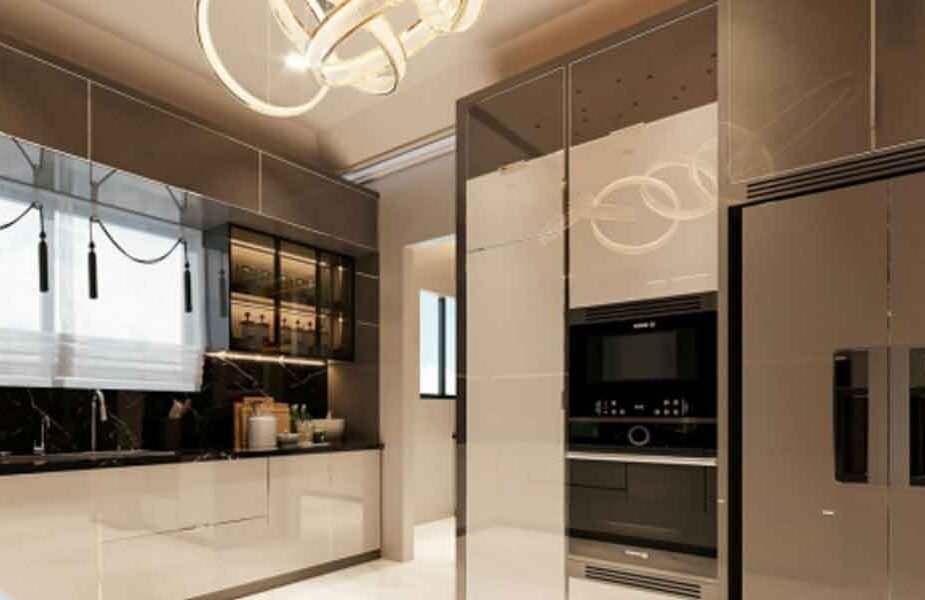
Designing a home should never be just about copying the latest trends or filling rooms with items that look good in photos. A well-designed home needs to support how you live every day. It should make routines easier, help you relax, and reflect your personality. When design focuses only on appearance, comfort, and functionality often get overlooked.
In a place like Anaheim, California, while you might aim to match the city’s vibrant, urban energy, it should not come at the expense of comfort or efficiency. With sunny weather and a high cost of living, smart design choices can help control energy use and create spaces that feel good to live in year-round.
This article will explore how intentional design decisions can help you create a home that works for you, not just one that looks impressive.
Using the Right Windows in the Right Places
Windows shape how a home feels from the inside. They control light, airflow, and connection to the outdoors. In Anaheim, where the weather stays mostly sunny and mild, smart window placement can brighten interiors and create a welcoming atmosphere throughout the day. Natural light improves mood and reduces reliance on artificial lighting, which also helps manage energy use.
Placing larger windows in living areas can open up the space and add warmth, while smaller or shaded windows can work better in rooms that need privacy or temperature control. Quality matters just as much as placement. Hiring a top Anaheim window installer ensures proper sizing, sealing, and installation. Skilled installers help prevent air leaks, uneven temperatures, and long-term maintenance issues. Their expertise protects your investment and ensures the windows perform as they should.
Designing Spaces Around Daily Routines
A home should support what you do every day. Designing around routines makes daily tasks smoother and less stressful. Morning traffic in the kitchen, evening downtime in the living room, and quiet hours in the bedroom all require different design approaches. Choosing thoughtfully designed queen bed frame, for instance, ensures proper support, comfort, and proportion, helping create a bedroom that promotes true rest and relaxation.
When layouts reflect real habits, homes feel more intuitive. For example, placing storage near entry points supports organization. Designing kitchens around how you cook saves time and effort. Thoughtful planning reduces wasted movement and makes each space easier to use. Over time, these small efficiencies add up and improve overall comfort.
Choosing Materials That Match Your Lifestyle
Materials should fit how you live, not just how you want your home to look. Busy households need durable surfaces that handle wear without constant upkeep. Homes with pets or children benefit from scratch-resistant floors and easy-to-clean finishes.
Choosing practical materials does not mean sacrificing style. Many modern options balance appearance and performance. When materials align with lifestyle needs, they last longer and stay functional. This approach also reduces repair costs and frustration over time. Smart material choices support both comfort and long-term value.
Creating Flexible Spaces That Adapt Over Time
Life changes, and homes should adapt with it. Flexible spaces allow rooms to serve more than one purpose. A guest room can double as a home office. A dining area can support work or hobbies when needed.
Designing for flexibility helps homes stay useful through different life stages. Open layouts, movable furniture, and thoughtful storage make transitions easier. This adaptability prevents the need for major renovations later. A flexible home continues to meet your needs instead of forcing you to adjust to it.
Improving Indoor Comfort With Better Insulation and Climate Control
One of the most effective home improvements you can make is upgrading insulation and climate control systems. Poor insulation often leads to uneven temperatures, drafty rooms, and higher energy bills. Improving wall, attic, and floor insulation helps maintain a consistent indoor environment and reduces strain on heating and cooling systems.
Upgrading thermostats and zoning systems also allows better control over different areas of the home. These improvements make living spaces more comfortable throughout the year while supporting long-term efficiency. Comfort becomes built into the structure of the home rather than dependent on constant adjustments.
Upgrading Storage With Built-In Solutions
Replacing makeshift storage with built-in solutions can dramatically improve how a home functions. Custom closets, built-in shelving, and integrated cabinetry use space more efficiently than standalone furniture. These improvements reduce clutter and make rooms feel more open and organized.
Built-in storage works best when designed around daily use. Entryway storage for shoes and bags, kitchen cabinetry that supports cooking habits, and bedroom closets designed for real wardrobes all make routines smoother. This type of improvement improves both usability and visual consistency across the home.
Enhancing Natural Light With Layout Adjustments
Improving how natural light moves through a home can change the feel of every room. Removing unnecessary walls, widening doorways, or adding interior openings allows light to travel deeper into the space. These changes reduce reliance on artificial lighting during the day and create a more open atmosphere.
Light-enhancing improvements also support better room flow. Open or semi-open layouts improve sightlines and make homes feel larger without increasing square footage. These structural adjustments create brighter, more inviting living spaces that support everyday comfort.
Updating High-Use Areas Like Kitchens and Bathrooms
Kitchens and bathrooms see the most daily use, which makes them ideal targets for purposeful upgrades. Improving layouts, fixtures, and surfaces in these areas increases functionality immediately. Replacing outdated cabinets, worn countertops, or inefficient fixtures can improve both usability and hygiene.
Upgrades should focus on ease of movement and durability. Better storage, improved lighting, and modern plumbing fixtures make these spaces easier to use and maintain. These improvements support daily routines while also increasing the overall value of the home.
Improving Energy Performance Through Smart Upgrades
Energy-focused home improvements support comfort and reduce long-term costs. Replacing old lighting with energy-efficient options, upgrading appliances, and sealing air leaks all contribute to better performance. These changes help maintain stable indoor conditions and lower monthly expenses.
Smart upgrades also include modern control systems that allow better monitoring of energy use. When efficiency becomes part of the design plan, the home works more effectively without sacrificing comfort. These improvements benefit both daily living and long-term sustainability.
Designing with purpose changes how a home supports daily life. It shifts the focus from appearances to experiences. When comfort, organization, and efficiency guide decisions, homes become places that restore energy and reduce stress. A purposeful design approach encourages thoughtful living and helps create a space that continues to serve you as life evolves.
Last modified: March 3, 2026