Why PCB Lead Time and Delivery Reliability Matter in Electronics Manufacturing
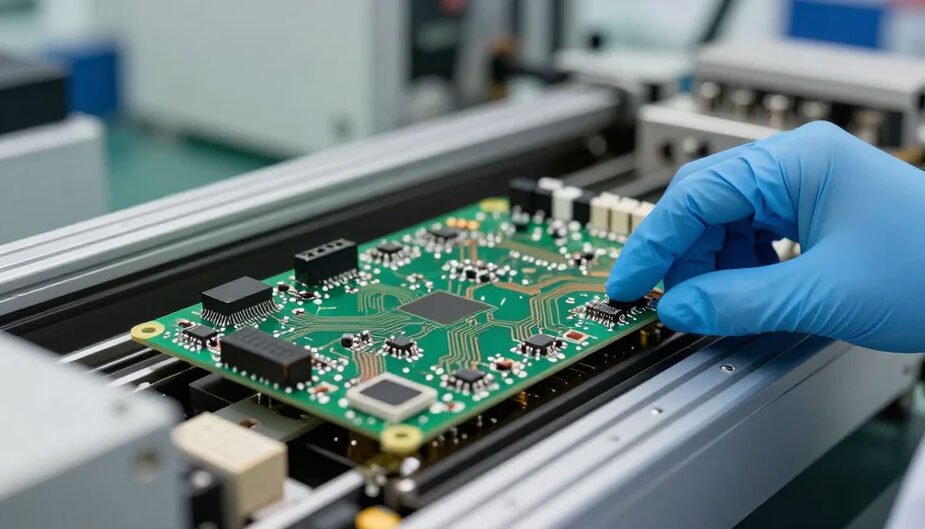
In electronics manufacturing, timing is just as important as technology. Even the most innovative product can fail commercially if production schedules are disrupted or deliveries are delayed. At the center of manufacturing timelines lies a crucial factor: printed circuit board (PCB) lead time.
PCBs are often among the first components required in the production process. Any delay in PCB delivery can create a ripple effect, slowing assembly, testing, and final shipment. For manufacturers operating in competitive markets, reliable lead times are not a convenience—they are a necessity.
This article explores the importance of PCB lead time management, the challenges manufacturers face with delivery delays, and how professional PCB suppliers help ensure production schedules stay on track.
Understanding PCB Lead Time in Manufacturing
PCB lead time refers to the total time required from order placement to final delivery of the boards. This includes material sourcing, fabrication, inspection, and logistics. Unlike off-the-shelf components, PCBs are custom-built, making lead time planning especially critical.
Factors that influence PCB lead time include:
- Design complexity
- Number of layers
- Material availability
- Production capacity
- Inspection and testing requirements
Each of these factors must be managed carefully to avoid delays.
The Impact of Delayed PCBs on Production Schedules
When PCBs are delayed, production lines often come to a halt. Assembly teams cannot proceed without boards, and downstream processes such as testing and packaging are affected.
Common consequences of PCB delays include:
- Missed product launch deadlines
- Increased labor costs
- Idle manufacturing resources
- Strained customer relationships
These disruptions can be costly, particularly for manufacturers working under tight delivery commitments.
Why Lead Time Reliability Is More Important Than Speed Alone
While fast turnaround is valuable, reliability matters more than raw speed. An unrealistic lead time that cannot be consistently met creates uncertainty and planning challenges.
Reliable PCB suppliers focus on:
- Accurate lead time estimates
- Consistent delivery performance
- Transparent communication
Predictability allows manufacturers to plan production confidently and avoid last-minute adjustments.
Production Planning and PCB Scheduling
Effective production planning depends on synchronized component availability. PCB suppliers play a vital role in aligning their production schedules with manufacturer timelines.
Professional suppliers support planning by:
- Coordinating material procurement
- Managing production capacity
- Aligning inspection timelines
- Supporting phased deliveries if needed
This coordination ensures that PCBs arrive exactly when required, not too early or too late.
Managing Lead Times for Complex PCB Designs
As PCB designs become more complex, lead times naturally increase. Multi-layer boards, specialized materials, and advanced testing all add time to the production process.
Experienced PCB suppliers help manage complexity by:
- Identifying potential bottlenecks early
- Optimizing production workflows
- Providing realistic delivery timelines
This proactive approach reduces uncertainty and helps manufacturers plan accordingly.
Communication as a Key Factor in On-Time Delivery
Clear communication between manufacturers and PCB suppliers is essential for meeting delivery commitments. Unexpected changes in design or demand must be communicated promptly to avoid schedule disruptions.
Reliable suppliers prioritize:
- Regular production updates
- Early notification of potential delays
- Collaborative problem-solving
Strong communication builds trust and keeps production schedules aligned.
Global Manufacturing and Logistics Coordination
Global PCB suppliers often manage complex logistics networks to serve international clients. Effective coordination between manufacturing and shipping partners is essential for timely delivery.
Global suppliers offer advantages such as:
- Optimized shipping routes
- Experience with customs and documentation
- Flexible logistics options
These capabilities help ensure PCBs arrive on time, even across borders.
Choosing Suppliers That Support Delivery Confidence
Manufacturers increasingly choose PCB suppliers based on delivery performance, not just technical capability. Consistent on-time delivery reduces operational stress and improves overall efficiency.
This is why many companies partner with experienced providers like GlobalWell Printed Circuit Board Supplier when dependable lead times and production planning support are critical.
Such partnerships allow manufacturers to focus on innovation rather than supply chain uncertainty.
Balancing Flexibility and Stability in PCB Supply
Manufacturing demands can change quickly due to market shifts or customer requirements. PCB suppliers must balance flexibility with stable processes to accommodate changes without disrupting delivery schedules.
Professional suppliers support flexibility by:
- Maintaining adaptable production capacity
- Offering responsive scheduling adjustments
- Preserving quality standards during changes
This balance is essential for manufacturers operating in dynamic markets.
The Role of Documentation and Order Tracking
Accurate documentation and order tracking improve transparency and accountability throughout the production cycle. Manufacturers benefit from knowing exactly where their PCBs are at each stage.
Effective tracking supports:
- Better production planning
- Faster issue resolution
- Improved supplier accountability
Suppliers that invest in tracking systems demonstrate professionalism and reliability.
Digital Transparency in Lead Time Management
In today’s digital-first environment, manufacturers often assess suppliers through their online presence. Platforms such as globalwellpcba.com provide insight into how PCB suppliers communicate their capabilities, timelines, and operational discipline.
A transparent digital presence supports informed supplier selection and expectation setting.
Preparing for Future Production Demands
As electronics markets evolve, production timelines are becoming shorter and more demanding. PCB suppliers that invest in efficient processes and capacity planning will play a key role in future manufacturing success.
Manufacturers partnering with experienced providers like GlobalWell Printed Circuit Board Supplier gain the delivery confidence needed to scale operations and meet future market demands.
Conclusion
PCB lead time and delivery reliability are critical factors in electronics manufacturing success. Delays at the PCB stage can disrupt entire production cycles, increase costs, and damage customer trust.
By working with professional PCB suppliers that prioritize accurate scheduling, transparent communication, and consistent delivery performance, manufacturers create a stable foundation for efficient production and long-term growth.
Last modified: January 12, 2026