Differences Between Fixed Power and Variable Magnifiers
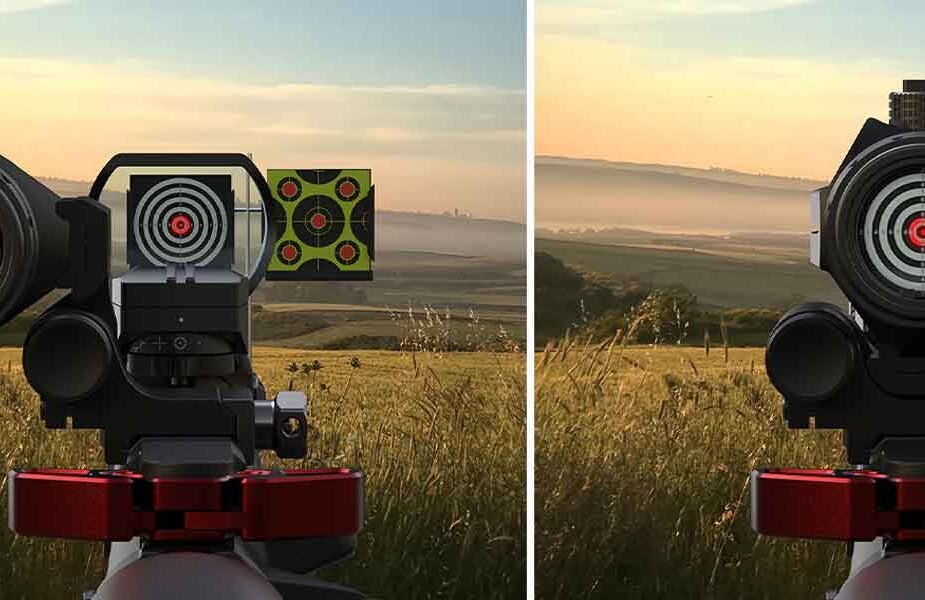
Magnifiers have become a common addition to modern shooting setups, particularly when paired with red dot sights. They allow shooters to extend effective viewing distance without fully switching to traditional magnified optics. However, not all magnifiers function in the same way. Fixed power and variable magnifiers each bring distinct characteristics that influence handling, visual clarity, and adaptability. Choosing between them is less about preference and more about understanding how each design performs in real situations. By looking closely at how these magnifiers differ in structure, use, and practical impact, shooters can better align their equipment with their typical shooting environments and expectations.
Key Comparison Areas
How the Differences Take Shape
Fixed power and variable magnifiers differ most clearly in how they handle consistency and adaptability. Fixed power magnifiers operate at a single magnification level, offering a predictable sight picture every time they are used. Variable magnifiers, on the other hand, allow users to adjust magnification within a defined range. This distinction affects not only visual performance but also how the equipment feels during use. Understanding these differences early helps clarify why one option may feel more intuitive or effective than the other depending on shooting conditions, distances, and user habits. The comparison is not about superiority but about suitability.
Consistency Versus Flexibility
Fixed power magnifiers are built around simplicity and repeatability. Because the magnification never changes, shooters become familiar with the exact visual scale and eye relief from the first use. This consistency reduces the need for adjustments during shooting sessions and can speed up transitions between targets at known distances. Variable magnifiers introduce flexibility by allowing magnification to increase or decrease as needed. This can be useful in environments where target distance changes frequently. However, this flexibility also requires additional input from the user, such as adjusting a dial or lever. For some shooters, the added control is welcome, while for others it can interrupt flow. In setups using holosun optics, variable magnifiers are often chosen to complement the versatility of modern red dot systems while maintaining clarity across distances.
Impact on Handling and Balance
The physical design of fixed and variable magnifiers influences how a firearm handles during extended use. Fixed power magnifiers tend to be lighter and more compact due to fewer internal components. This streamlined construction can make a noticeable difference in balance, particularly on lighter platforms. Variable magnifiers usually weigh more and may feel bulkier, which can affect how quickly the firearm moves between targets. While the difference may seem minor at first, it becomes more apparent during longer sessions or dynamic movement. Shooters who value minimal added weight often gravitate toward fixed power options, while those who prioritize adaptability may accept the trade-off in handling for greater control over magnification levels.
Visual Experience and Adjustment Needs
The viewing experience also differs between fixed and variable magnifiers. Fixed power models provide a stable image with no concern about accidental changes in magnification. This can reduce distractions and help maintain focus on the target. Variable magnifiers offer a broader range of visual detail but require careful adjustment to maintain a clear image. Changes in magnification can alter eye relief and field of view, requiring the shooter to adapt their position slightly. Over time, experienced users may find this adjustment process natural, but newer users sometimes find it interrupts concentration. The choice often comes down to whether a shooter prefers a set-and-forget approach or values the ability to fine-tune their view as conditions change.
Use Across Different Scenarios
Different shooting scenarios highlight the strengths and limitations of each magnifier type. Fixed power magnifiers are well suited for environments where distances are relatively predictable and where quick transitions matter more than visual scaling. Variable magnifiers excel in mixed environments, such as outdoor ranges or open terrain, where targets may appear at varying distances. The ability to adjust magnification can help identify details or improve precision when needed. However, this advantage only matters if the shooter actively uses the adjustment feature. In situations where magnification rarely changes, the extra capability may go unused, making a fixed power option feel more efficient.
Conclusion
The differences between fixed power and variable magnifiers revolve around consistency, flexibility, and how much control a shooter wants during use. Fixed power magnifiers emphasize simplicity, predictable handling, and minimal adjustment, while variable magnifiers offer adaptability at the cost of added complexity and weight. Neither option is universally suited to every shooter or scenario. The right choice depends on how often magnification needs change, how much adjustment a user is comfortable managing, and how the equipment feels during real use. By understanding these distinctions, shooters can select a magnifier that supports their shooting style rather than complicating it.
Last modified: January 12, 2026