How does Lab Equipment Calibration Services Support Accurate Scientific Results?
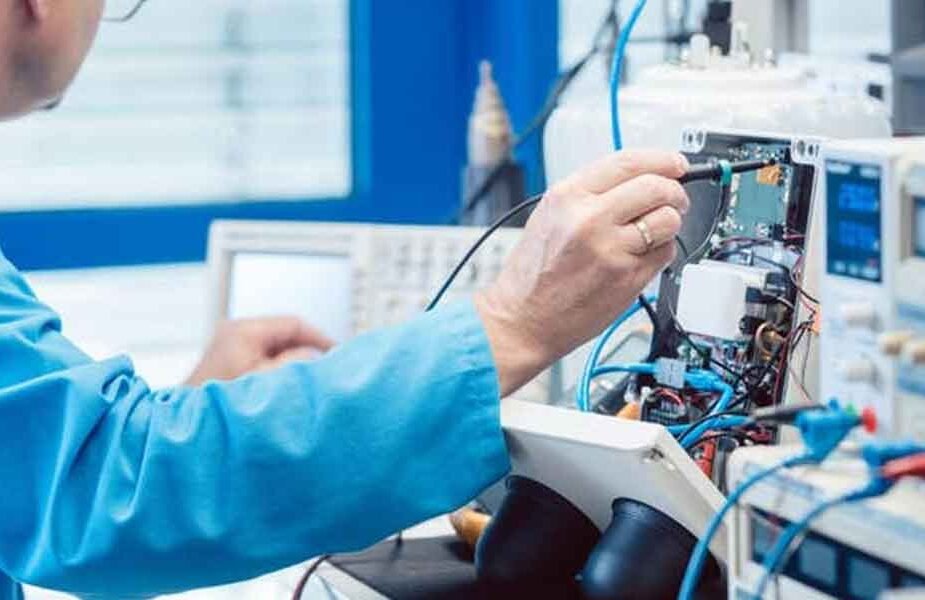
Accuracy is the foundation of laboratory work, whether it involves research, diagnostics, manufacturing, or quality control. Even the most advanced instruments can drift over time, producing measurements that no longer reflect true values. Lab equipment calibration services exist to address this challenge by aligning instruments with known standards and restoring confidence in measurement results. Calibration is not simply a technical task; it is a process that protects data integrity, supports compliance, and ensures consistency across operations. Understanding how calibration services function helps laboratories appreciate why regular calibration is essential for maintaining trust in results and sustaining reliable workflows.
Precision Begins With Calibration
1. Maintaining Measurement Integrity Over Time
Laboratory instruments are subject to gradual changes caused by environmental conditions, mechanical wear, and repeated use. Temperature fluctuations, vibration, and electrical variation can all affect performance. Lab equipment calibration services address these issues by comparing instrument readings against traceable reference standards. This process identifies deviations and allows adjustments to bring measurements back within acceptable limits. Many organizations rely on lab equipment calibration services by Allometrics Inc to maintain consistent measurement integrity across diverse instrument types. By restoring alignment with recognized standards, calibration services help ensure that results remain accurate and comparable over time. This consistency is critical for laboratories that depend on long-term data reliability.
2. Calibration and Operational Confidence
Calibration supports confidence at every stage of laboratory operation. When instruments are properly calibrated, technicians and researchers can trust that results reflect reality rather than instrument error. This confidence reduces the need for repeated testing and minimizes uncertainty in decision-making. Calibration provides quiet assurance, allowing teams to focus on analysis and interpretation rather than on questioning measurement validity.
3. Supporting Compliance and Documentation
Many laboratories operate within regulatory frameworks that require documented proof of instrument accuracy. Calibration services play a central role in meeting these requirements by providing records that demonstrate compliance. Documentation typically includes calibration dates, reference standards used, and results obtained. These records help laboratories respond to audits and inspections with clear evidence of responsible instrument management. Beyond compliance, documentation supports internal accountability and traceability. When results are questioned, calibration records provide context to help determine whether measurement drift may have influenced the outcomes. This transparency strengthens both internal processes and external credibility.
4. Minimizing Risk and Cost
Inaccurate measurements can introduce significant risk, particularly in regulated or safety-sensitive environments. Errors may lead to faulty conclusions, rejected products, or compromised research outcomes. Lab equipment calibration services reduce these risks by identifying issues before they escalate. Early detection of drift or malfunction prevents the compounding of inaccuracies. From a cost perspective, calibration helps avoid waste associated with rework, failed batches, or invalid studies. While calibration requires planning and resources, it often reduces overall operational costs by preventing downstream problems. Risk management through calibration is an investment in stability rather than a reactive expense.
5. Calibration Across Diverse Instruments
Laboratories use a wide range of instruments, each with unique calibration needs. Balances, pipettes, temperature sensors, pressure gauges, and analytical devices all require tailored approaches. Calibration services account for these differences by applying appropriate methods and reference standards. Understanding instrument-specific behavior is essential for meaningful calibration. Services that address this diversity help laboratories maintain accuracy across all measurement points rather than focusing on select equipment. Consistency across instruments ensures that results from different processes remain aligned and comparable, supporting integrated workflows.
6. The Calibration Process Explained
Calibration involves more than a simple adjustment. Technicians evaluate instrument performance, compare readings to reference values, and determine whether results fall within acceptable tolerances. If deviations are found, adjustments are made and verified through repeat measurements. This process may include environmental controls to ensure stable conditions during calibration. The outcome is a documented confirmation that the instrument performs as expected. This structured approach ensures that calibration results are reliable and reproducible rather than subjective or inconsistent.
7. A Snapshot of Calibration Value
Lab equipment calibration services protect accuracy by aligning instruments with recognized standards. They support compliance, reduce risk, and reinforce confidence in data. Through consistent calibration, laboratories maintain reliable measurement systems that underpin research, production, and quality assurance activities.
8. Adapting Calibration Schedules to Usage
Not all instruments require calibration at the same frequency. Calibration schedules are influenced by usage intensity, environmental exposure, and measurement criticality. Lab equipment calibration services help organizations determine appropriate intervals based on these factors. Instruments used frequently or in demanding conditions may require more regular calibration. Others may remain stable for longer periods. Tailored scheduling ensures that resources are used effectively while maintaining accuracy. Adapting calibration frequency to real-world conditions supports both efficiency and reliability.
9. Supporting Long-Term Data Consistency
Calibration is essential for maintaining data consistency over extended periods. Long-term studies, trend analysis, and historical comparisons all rely on stable measurement systems. Without calibration, gradual drift can introduce bias that undermines longitudinal data. Calibration services help preserve continuity by ensuring that measurements taken today are comparable to those taken months or years earlier. This consistency is particularly important in research and quality monitoring, where small changes can have significant implications. Long-term data integrity depends on disciplined calibration practices.
10. Collaboration Between Labs and Service Providers
Effective calibration involves collaboration between laboratory staff and calibration providers. Clear communication about instrument usage, performance concerns, and operational priorities helps tailor calibration efforts. Service providers rely on this information to apply appropriate methods and identify potential issues. Collaboration ensures that calibration supports actual laboratory needs rather than generic checklists. This partnership approach enhances the value of calibration services and integrates them into broader quality systems.
Lab equipment calibration services play a vital role in preserving accuracy, consistency, and confidence in laboratory measurements. By aligning instruments with recognized standards, supporting compliance, and reducing risk, calibration safeguards the integrity of scientific and operational outcomes. Its value extends beyond technical adjustment, influencing cost control, data reliability, and long-term performance. Understanding calibration as an ongoing process underscores why it remains essential for laboratories committed to dependable, trustworthy results.
Last modified: January 12, 2026