How Worn Rollers and Bearings Impact Garage Door Operation?
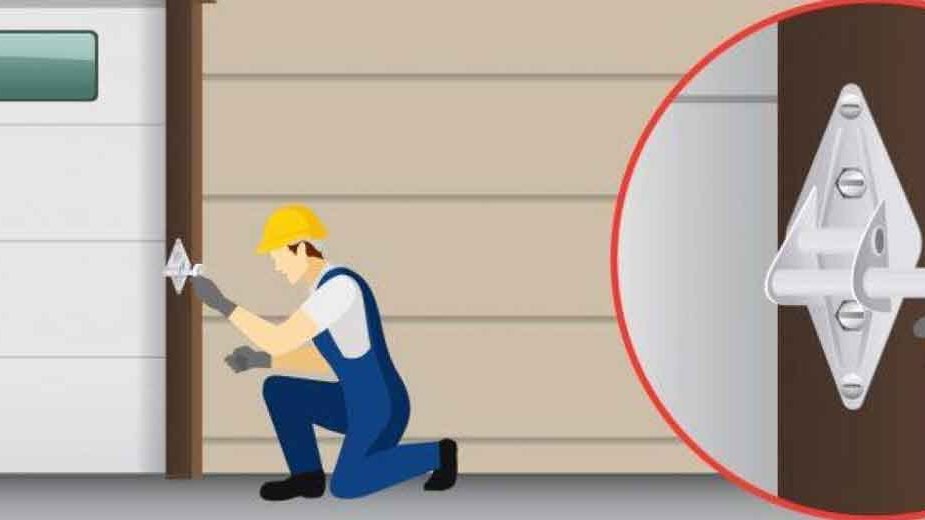
Garage doors rely on many interconnected parts to operate smoothly, but rollers and bearings are among the most influential. These components guide the door along its tracks and reduce friction as it moves up and down. Because they are constantly in motion and carry significant weight, rollers and bearings experience gradual wear over time. When this wear is ignored, the door’s operation becomes less reliable and more stressful on the entire system, adds Astoria Charm Owings Mills team. Homeowners often notice changes in sound, movement, or responsiveness without realizing that the source is rollers and bearings. Understanding how these parts affect garage door operation helps explain why timely attention is essential for safety, performance, and long-term durability.
Where Rollers and Bearings Fit
- The Role of Rollers in Door Movement
Garage door rollers sit inside the tracks and guide the door through each opening and closing cycle. Their primary function is to allow smooth movement while supporting the weight of the door panels. When rollers are in good condition, the door glides quietly and evenly. As rollers wear down, flat spots, cracks, or stiffness begin to develop. This wear increases friction, forcing the door to drag rather than roll. In regions with frequent daily use, such as homes with multiple drivers, worn rollers are common on garage doors in Vancouver, where environmental exposure and frequent operation accelerate deterioration. Once friction increases, stress spreads to tracks, hinges, and the opener, affecting overall system performance.
- Bearings and Their Influence on Smooth Rotation
Bearings are typically located inside rollers and other rotating components, allowing parts to spin freely under load. Their condition directly affects how smoothly the rollers move along the track. When bearings begin to fail, they may seize, grind, or rotate unevenly. This disrupts the door’s natural operation and often produces noticeable noise. Bearing wear is usually unnoticed at first because it develops internally, but its impact becomes clear as movement becomes jerky or uneven. Because bearings reduce direct metal-on-metal contact, their failure accelerates wear on surrounding components. Understanding bearing function helps explain why a door that once operated quietly can become noisy and difficult to open over time.
- Noise as an Early Warning Sign
One of the clearest indicators of worn rollers and bearings is increased operational noise. Grinding, squealing, or rattling sounds usually point to friction where smooth rotation once existed. These noises often increase in volume over time as wear progresses. A quiet garage door typically indicates that rollers and bearings are functioning properly. When noise becomes consistent, it signals that components are no longer absorbing movement effectively. Ignoring these sounds allows friction to worsen, increasing stress on the tracks and opener. Addressing noise early helps prevent further deterioration and maintains a more comfortable home environment.
- Impact on Door Balance and Alignment
Worn rollers and bearings affect more than just noise; they also influence balance and alignment. When rollers do not move evenly, one side of the door may lag behind the other. This imbalance can cause the door to tilt slightly as it moves, resulting in uneven pressure on the tracks and hinges. Over time, misalignment may worsen, leading to binding or partial derailment. These issues make the door harder to control and increase safety risks. Proper roller and bearing condition supports balanced movement, keeping the door centered and stable throughout its travel.
- Increased Strain on the Garage Door Opener
Garage door openers are designed to guide a smoothly moving door, not force a resistant one. When rollers and bearings wear out, the opener must compensate for increased friction. This added workload can cause slower operation, overheating, or premature wear of internal gears and motors. Over time, an opener strain may lead to inconsistent responses or unexpected shutdowns. Maintaining healthy rollers and bearings helps protect the opener by ensuring it operates within its intended limits. This relationship highlights how small mechanical components influence larger systems within the garage door assembly.
- Safety Risks Associated With Worn Components
As rollers and bearings degrade, safety risks increase. A door that binds or moves unpredictably can suddenly jerk or stop, creating hazards for people, pets, and vehicles. Worn components also increase the likelihood of the door coming off its track, which can cause serious damage or injury. Predictable movement depends on low friction and even rotation. By allowing wear to continue unchecked, homeowners expose themselves to unnecessary risk. Addressing worn rollers and bearings promptly helps ensure safer daily operations and reduces the risk of sudden mechanical failure.
- Long-Term Effects on System Durability
The long-term health of a garage door system depends on how evenly stress is distributed across components. Worn rollers and bearings disrupt this balance, forcing other parts to absorb additional strain. Tracks may bend slightly, hinges may loosen, and cables may experience uneven tension. These secondary effects shorten the system’s lifespan. By maintaining rollers and bearings, homeowners help preserve overall durability. This preventive approach reduces the likelihood of cumulative damage that would require more extensive repairs later.
- Environmental Factors That Accelerate Wear
Environmental conditions affect how quickly rollers and bearings wear. Moisture can cause corrosion, while dust and debris can impede smooth rotation. Temperature fluctuations affect lubrication, making components stiffer in cold conditions or attracting dirt in warmer weather. Garages exposed to outdoor elements often experience faster component degradation. Awareness of environmental impact helps explain why some systems wear faster than others. Regular inspection is particularly important in areas where climate conditions place additional stress on moving parts.
Preserving Smooth and Safe Operation
Worn rollers and bearings significantly affect garage door operation, including noise levels, balance, safety, and overall system performance. These components support smooth movement and protect larger parts from unnecessary strain. When they wear out, friction increases and stress spreads throughout the system. Recognizing early warning signs such as noise, uneven movement, or increased opener effort allows homeowners to act before problems escalate. Maintaining rollers and bearings is not just about convenience; it is about preserving safety, reliability, and long-term durability. Attention to these small but critical components helps ensure that the garage door continues to operate smoothly and predictably every day.
Last modified: April 14, 2026