B2B Marketing for Architects: Differentiating Your Firm with Premium 3D Architectural Visualization Services
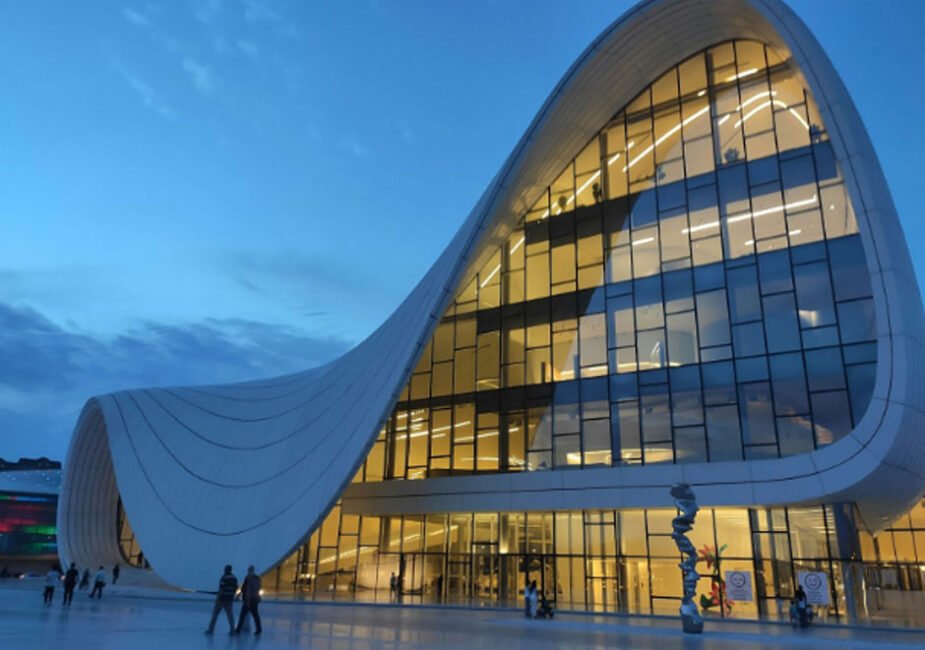
The way architectural firms win clients has changed. Slowly at first. Then all at once. Printed portfolios, conference handshakes, and long presentations still exist, but they no longer lead the process. Today, the first impression usually happens online, long before a call or meeting. And that impression is visual.
For many firms, the first real contact a potential client has with them is a render on a website or a slide in a shared deck. In that moment, visuals do more than decorate an idea. They signal competence. They show whether a firm understands scale, complexity, and context. This is where a 3d visualisation company becomes part of business development, not just production support.
When corporate buyers or institutional partners scan dozens of firms, they are not reading every project description. They are judging fast. Clean images suggest clear thinking. Confident lighting suggests control. Consistent quality suggests reliability. High-end 3d architectural visualization services reduce uncertainty. They help decision-makers feel that the firm in front of them can manage risk, budget, and delivery.
This shift matters most for mid-sized practices. Firms without global brand recognition can now compete visually with much larger players. A strong digital presence creates visual authority. It tells clients, without explanation, that this firm is ready for serious work.
Leveraging the 3D Portfolio to Attract Institutional and Commercial Clients
Commercial clients think differently from private homeowners. They are not buying a place to live. They are buying performance. Yield. Longevity. Image. And every part of the pitch must reflect that mindset.
A well-built 3D portfolio does precisely that. It shows how a firm handles density, circulation, and urban pressure. It demonstrates an understanding of zoning limits and environmental constraints without spelling them out. When investors look at detailed visuals, they see proof that the architect understands how buildings operate within systems.
This is where architecture visualization moves beyond aesthetics. A lobby render showing people moving through space communicates foot traffic and flow. An office floor plate visualized with real furniture density shows productivity potential. A retail frontage render hints at brand exposure and tenant value.
Commercial stakeholders want to see how a building lives over time. A strong portfolio answers that visually. It reduces the need for explanation. And when the visuals are consistent and precise, the firm behind them appears organized and prepared.
For developers and institutional clients, this matters. A portfolio built with care becomes a silent salesperson. It does not push. It reassures. And that reassurance often decides who makes the shortlist.
Strategic Visual Assets for Winning Competitive Tenders
Competitive tenders are rarely won on ideas alone. Everyone has ideas. What separates firms is how clearly those ideas are communicated under pressure. In these moments, visuals become tools, not decoration.
High-stakes presentations often involve people with different priorities. Some focus on cost. Others on planning approval. Others on long-term use. Strategic 3D assets help align these perspectives. They give everyone a shared reference point.
The most effective firms prepare a focused set of visual materials that do real work during evaluation. These assets clarify intent, show feasibility, and reduce doubt. The goal is not to impress with complexity, but to remove uncertainty.
The most valuable assets typically include:
- Cinematic animations that show how people move through and around the site
- Interactive walkthroughs that allow remote stakeholders to explore independently
- Exploded axonometric views explaining structure and systems without overload
- Day and night lighting scenarios that show continuous usability
- Interior hero views focused on materials and craft
- Immersive VR experiences for decision-makers who need spatial certainty
Used together, these elements turn abstract proposals into understandable experiences. They support clear discussion. They shorten the debate. And they help evaluators feel confident choosing one firm over another.

Improving Client Communication and Shortening the Approval Cycle
Winning the project is only the beginning. What happens next often determines whether the relationship grows or collapses. Many architectural conflicts start with a misunderstanding. Not disagreement, but misalignment.
This is where architectural visualization becomes operational, not promotional. When clients can see changes instantly, conversations shift. Instead of debating interpretations, teams discuss outcomes. “This wall feels too heavy” replaces “I thought it would look different.”
Real-time model adjustments allow faster feedback loops. Clients react to what they see, not what they imagine. That clarity speeds up approvals. It also reduces late-stage changes, which are expensive and stressful for everyone involved.
Clear visuals also protect the firm. When decisions are made with shared references, accountability improves. Fewer surprises appear during construction. Fewer emotional reactions derail progress. Over time, this builds trust.
Clients remember smooth processes. They return to firms that help them feel in control. In this way, visualization supports long-term business, not just single projects.
Establishing a Signature Brand Aesthetic through Digital Craftsmanship
Every firm has a design philosophy. Few express it consistently. Visual inconsistency weakens brand perception, even when the underlying work is strong.
A deliberate approach to visualization fixes this. Lighting style. Color balance. Framing. Level of realism. These choices form a visual language. When repeated across projects, that language becomes recognizable.
This is digital craftsmanship. The care invested in images reflects the care promised in buildings. Clients pick up on this instinctively. They may not name it, but they feel it.
Working with an experienced architecture visualization studio allows firms to refine this identity. Instead of adapting to every trend, the studio supports a coherent look. Over time, this attracts the right clients—those who already value the firm’s way of thinking.
Consistency also saves time. Templates form. Processes stabilize. Marketing materials are easier to assemble. And the firm’s presence grows stronger with less effort.
In crowded markets, recognition matters. A clear visual signature helps firms stand out without shouting.
Conclusion
B2B architectural marketing no longer starts with a meeting. It begins with an image. Firms that understand this reality position themselves ahead of the curve.
Premium 3d architectural visualization services have become essential business tools. They support pitches, speed approvals, and build long-term trust. They help firms communicate complexity clearly and confidently.
Those who invest in strong visuals are not chasing trends. They are responding to how decisions are made today. As clients grow more remote and expectations rise, visual clarity becomes a requirement, not a bonus.
Architectural practices that treat visualization as a strategic asset gain credibility. They reduce friction. They attract better projects. And over time, they build a reputation that speaks before they do.
Last modified: December 22, 2025