7 Common Safety Hazards in the Offshore Energy Industry
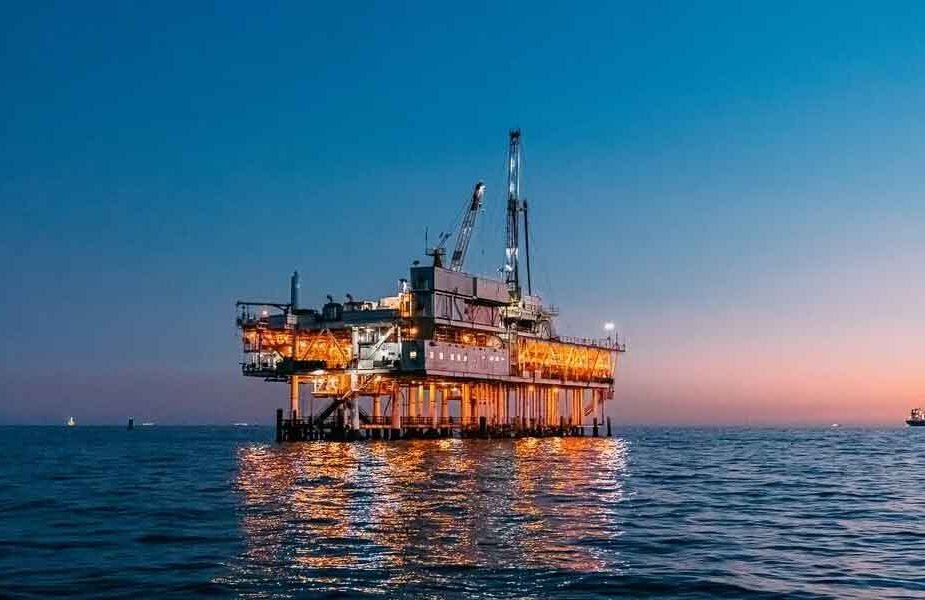
Offshore energy work doesn’t hide its risks. Every worker who steps onto a platform knows the environment is unforgiving, but knowing that doesn’t mean the industry treats every hazard with the seriousness it deserves. There were 224 reported injuries and 2 fatalities in offshore oil and gas operations on the U.S. Outer Continental Shelf in 2022 alone. Behind those numbers are workers whose injuries were, in most cases, preventable.
The 7 Hazards That Cause the Most Harm
1\. Blowout and Pressure System Failures
High-pressure systems keep offshore drilling afloat, but they’re also one of the most dangerous hazards. When a blowout preventer fails, it rarely damages just one worker. Instead, the damage spreads across the entire platform. These accidents aren’t unlikely occurrences. Instead, they often happen because maintenance and inspections got postponed or rushed.
2\. Lifting and Rigging Accidents
Operations involving cranes and winches lead to many deck-related injuries. When crews are understaffed or pushed to rush, they’re more likely to rig a load incorrectly, use worn slings, or work below a suspended load. When something drops or a line snaps on a moving ship, there’s nowhere safe from the load.
3\. Slip, Trip, and Fall Hazards
Decks are constantly wet, grating is oily, and the vessel’s motion makes it difficult for workers to stay on their feet. What seemed like a simple walk can turn into a serious fall once someone slips over a rail or lands hard against the steel deck. Ship motion amplifies risks in a way that you’d never experience on a normal drilling job.
4\. Hydrogen Sulfide Exposure
H2S is colorless and heavier than air. Workers in drilling zones can encounter lethal concentrations before they smell anything. Short-term exposure causes respiratory distress; high concentrations can cause immediate loss of consciousness. The longer-term health effects of repeated lower-level exposure often don’t appear until years after a worker has left the industry.
5\. Confined Space Entry
The enclosed spaces of an offshore structure prove deadlier than the machinery. Without warning, a tank or ballast space can fill with toxic gas or suck out the oxygen. Workers without proper testing gear or standby rescue fail to recognize dangers that kill them on the same job they’ve done 100 times before. Familiarity is one of the biggest risk factors with enclosed spaces.
6\. Fire and Explosion From Flammable Gas
Hydrocarbon gases don’t need much to ignite. A single ignition source near an undetected leak can turn a routine task into a catastrophic event. Proper personal protective equipment, fire-retardant clothing, gas monitors, appropriate footwear, is the minimum defense. When employers cut corners on PPE supply or skip mandatory inspections, they put workers in a position they didn’t agree to.
7\. Weather-Related Deck Emergencies
Conditions in open water can shift fast. Wind, swells, and spray that seemed manageable an hour ago can make deck work nearly impossible, and still, the pressure to keep production moving often means workers stay outside when they shouldn’t. Helicopter transfers during marginal weather add another layer of risk. Helicopter Underwater Escape Training exists for good reason, and it underscores how seriously the industry knows these risks to be.
Why These Hazards Persist
The offshore industry constantly faces the dilemma of prioritizing production goals over safety margins. In cases where platforms are not running as planned, compromises start to emerge, whether in maintenance activities, rest time for the crew, or in the authorization process for safety equipment. This is not a hypothesis, this is a recurring scenario that analysts detect in almost every major event.
This leads to the recurrence of potential dangers that are known and technically feasible to prevent, yet are recorded in the incident reports repeatedly over the years.
What Offshore Workers Need to Know About Their Legal Rights
Standard workers’ compensation doesn’t cover people who work on oil rigs or platforms off the Gulf Coast, not in the way that it does workers in factories or offices. Instead, all offshore worker injury cases operate under maritime law, opening up legal options that the majority of injured employees don’t have. That doesn’t mean those claims are easy to win, though. To get the compensation you’re entitled to, you’ll still need to prove the negligence of your employer or the unseaworthiness of the vessel you were hurt on, and show that their failings are what caused your injuries.
The Jones Act lets you sue your employer directly in cases where its negligence caused you harm. The Unseaworthiness Doctrine lets you do the same for a vessel’s lack of fitness or its equipment. Neither holds your employer responsible automatically, and you won’t be able to recover the full costs associated with your injury unless you have strong legal representation fighting on your side. A Beaumont Offshore Injury Lawyer will be able to help you understand if you should pursue one, both, or neither of these claims, and can advise you about other claims you may also be eligible to make.
The Accountability Gap
The seven hazards mentioned above aren’t the only risks that oil and gas workers face daily. But these seven dangers come up time and again in NIOSH investigations, CSB reports, and OSHA citations, not because they’re poorly understood or lacking in prevention strategies, but precisely because the strategies to prevent them are so well known and so frequently ignored.
Last modified: April 7, 2026